A bright, healthy-looking smile can make a wonderful difference to your confidence. But over time, teeth naturally change color, and everyday habits such as drinking coffee, tea, or red wine can leave noticeable stains.
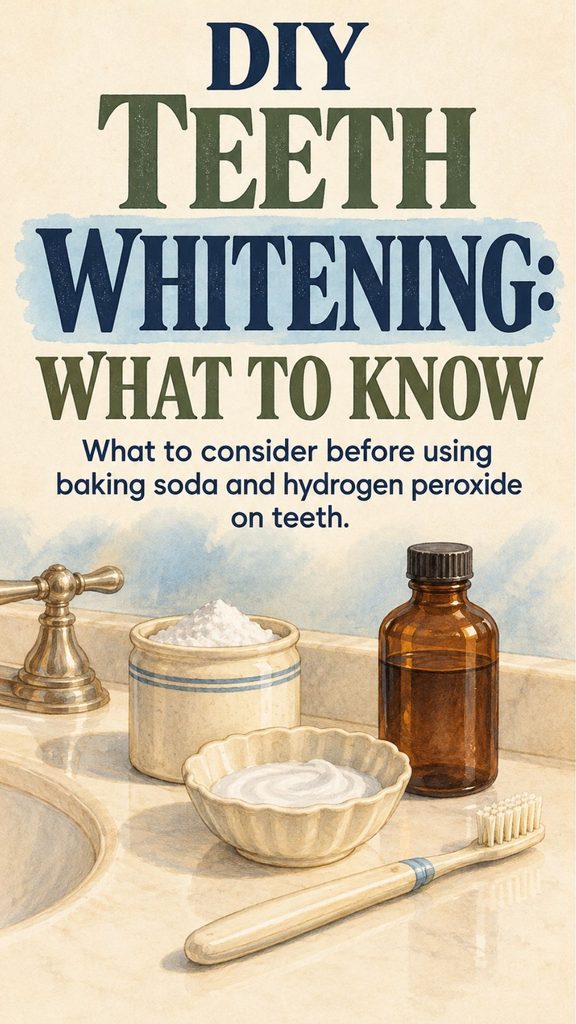
That’s why homemade teeth-whitening remedies have become so popular. One widely shared trick recommends combining toothpaste, baking soda, hydrogen peroxide, and water to create a homemade whitening paste.
It sounds convenient. All the ingredients are inexpensive, and some may already be sitting in your bathroom or kitchen cupboard.
You Might Also Like:
- Loading posts...
But there’s an important difference between ingredients that are used in professionally formulated whitening products and mixing those same ingredients together yourself.
Baking soda and hydrogen peroxide both have legitimate roles in dental care. However, homemade combinations aren’t automatically safe, and using them incorrectly can irritate gums, increase tooth sensitivity, or create other problems.
The good news is that you don’t need harsh scrubs or risky homemade mixtures to improve the appearance of your teeth.
Understanding what causes discoloration, choosing appropriate whitening products, and maintaining good oral hygiene can help you achieve a cleaner, brighter smile while protecting your teeth.
Why Do Teeth Become Yellow or Stained?
Tooth discoloration is common, and it doesn’t necessarily mean someone has poor oral hygiene.
Natural tooth color varies from person to person. Some people have naturally brighter enamel, while others have teeth with a warmer or more yellowish appearance.
There are two main types of tooth discoloration.
Surface Stains
Surface stains develop on the outside of the teeth.
Common contributors include:
- Coffee
- Black tea
- Red wine
- Tobacco use
- Certain strongly pigmented foods and beverages
- Plaque and tartar accumulation
These stains may respond to regular cleaning, appropriate whitening toothpaste, and professional dental cleaning.
Internal Discoloration
Other color changes develop within the tooth structure.
They may be associated with aging, certain medications, dental injuries, or developmental conditions.
As people age, changes in enamel and the underlying dentin can also affect the appearance of their teeth.
Internal discoloration may not respond significantly to ordinary stain-removing toothpaste.
This distinction matters because not every whitening technique works on every kind of discoloration.
Does the Baking Soda and Hydrogen Peroxide Whitening Trick Really Work?
A popular homemade recipe suggests mixing a little toothpaste with a teaspoon of baking soda, a teaspoon of hydrogen peroxide, and some water.
The mixture is then used to brush the teeth for approximately two minutes, often with instructions to repeat it weekly until the desired color is achieved.
The idea comes from two ingredients that do have recognized dental applications.
Baking soda, also called sodium bicarbonate, is used in certain toothpastes to help remove surface stains.
Hydrogen peroxide is an active bleaching ingredient found in some approved teeth-whitening products.
But that doesn’t mean mixing household versions of these substances produces a safe or effective dental treatment.
The Problem With Homemade Whitening Mixtures
Commercial dental products are formulated with controlled concentrations, tested ingredients, and specific directions for application.
A homemade mixture doesn’t offer those same assurances.
The concentration of hydrogen peroxide may be unsuitable, the mixture may contact the gums unnecessarily, and its overall cleaning and abrasive properties are not established.
Adding a large quantity of baking soda to a small amount of toothpaste also changes the formulation of a product that was originally designed and tested for ordinary brushing.
The American Dental Association cautions that do-it-yourself whitening methods can be ineffective or harmful.
For these reasons, it’s better not to use the homemade baking soda and peroxide recipe as a recurring whitening treatment.
A properly formulated whitening toothpaste or an appropriate whitening treatment recommended by a dentist is the more dependable option.
1. Brush Twice Daily With Fluoride Toothpaste
The foundation of a healthy-looking smile is consistent oral hygiene.
Brushing helps remove plaque and surface debris that can contribute to tooth discoloration.
Fluoride toothpaste also helps strengthen enamel and prevent tooth decay.
How to Brush Correctly
Use a soft-bristled toothbrush and a fluoride toothpaste suitable for your needs.
Brush for two minutes, twice a day.
Position the bristles gently along the gumline and clean the outer, inner, and chewing surfaces of the teeth.
Avoid aggressive scrubbing.
Brushing harder does not necessarily remove more stains and can contribute to tooth wear or gum irritation.
Replace your toothbrush or brush head approximately every three to four months, or sooner if the bristles become frayed.
For children, use age-appropriate amounts of fluoride toothpaste and supervise brushing according to dental guidance.
A consistent routine is more valuable than occasional attempts to scrub teeth dramatically whiter.
2. Choose a Whitening Toothpaste With Proven Benefits
Whitening toothpaste is often the simplest option for people who want to reduce everyday surface staining.
Most whitening toothpastes work primarily by removing external stains rather than substantially changing the natural internal color of the teeth.
They may contain specially selected polishing ingredients or low concentrations of whitening agents.
What to Look For
Choose a toothpaste that contains fluoride and has evidence supporting its safety and effectiveness.
In the United States, the American Dental Association Seal of Acceptance can help identify products that meet the organization’s relevant requirements.
Whitening toothpaste can be especially useful for stains associated with coffee, tea, and certain foods.
However, don’t expect it to produce the same results as professional bleaching.
Be Patient With Results
Surface stains generally develop gradually, and improvements from appropriate whitening toothpaste may also take time.
Follow the product directions.
Avoid using extra toothpaste or brushing repeatedly throughout the day in an attempt to speed up whitening.
More frequent or aggressive brushing can cause problems without delivering better results.
3. Understand How Baking Soda Toothpaste Works
Baking soda has been used in oral-care products for many years.
Its cleaning properties make it a familiar ingredient in certain modern toothpastes.
When incorporated into an appropriately formulated dental product, sodium bicarbonate can help remove surface stains.
It is also relatively low in intrinsic abrasiveness compared with some other cleaning materials, although the abrasiveness of a finished toothpaste depends on its complete formulation.
Should You Brush With Plain Baking Soda?
There’s little reason to replace regular fluoride toothpaste with homemade baking soda paste.
Plain baking soda doesn’t provide the same established cavity-prevention benefit as fluoride toothpaste.
A homemade paste also lacks the controlled formulation of a commercial dental product.
If you’re interested in baking soda for stain removal, consider a professionally formulated fluoride toothpaste that contains it.
That gives you the convenience of the ingredient without needing to experiment with homemade ratios.
The goal is to clean your teeth gently, not polish away tooth structure.
4. Consider Properly Formulated Whitening Strips
Whitening strips are another option for improving tooth color at home.
Many use hydrogen peroxide or a related bleaching ingredient to lighten discoloration.
Unlike ordinary stain-removing toothpaste, peroxide-based whitening products can affect certain stains within the tooth structure.
Results depend on the type of discoloration, the product, and individual dental conditions.
How to Use Whitening Strips More Safely
Choose a reputable product appropriate for your location and follow its instructions exactly.
Do not exceed the recommended wearing time or repeat treatments more frequently than directed.
Avoid using several different whitening products simultaneously without professional advice.
If you’re uncertain whether whitening strips are appropriate for your teeth, consult a dentist before beginning.
Possible Side Effects
Whitening strips can cause temporary tooth sensitivity or gum irritation.
These effects may become more likely with stronger bleaching agents or excessive use.
Stop using a product if you experience significant discomfort, and seek dental advice if symptoms persist.
Whitening strips are not suitable for every person or every type of discoloration.
5. Ask Your Dentist About Professional Whitening
For people who want a more noticeable change in tooth color, professional dental whitening may be appropriate.
A dentist can examine the teeth and gums before treatment and determine whether bleaching is suitable.
This examination is important because whitening products can aggravate certain existing dental problems.
Common Professional Whitening Options
Dentist-supervised home whitening: A dental professional may provide fitted trays and an appropriate whitening gel to use over a prescribed period.
In-office whitening: A dentist may apply a professional bleaching product while taking measures to protect surrounding tissues.
The appropriate method depends on the condition of your teeth, the kind of discoloration involved, and your treatment goals.
Whitening Doesn’t Work on Every Dental Material
Bleaching treatments lighten natural teeth but do not change the color of crowns, veneers, implants, or tooth-colored fillings in the same way.
If you have visible restorations, whitening may create color differences between natural teeth and dental work.
Discuss this before treatment.
Professional supervision doesn’t eliminate every possibility of sensitivity, but it helps ensure that the treatment is appropriate and that risks are managed.
6. Reduce Habits That Cause New Stains
Maintaining a brighter smile isn’t only about removing existing discoloration.
It’s also about reducing new staining.
Certain beverages contain pigments that can gradually accumulate on tooth surfaces.
Coffee, tea, red wine, and some dark-colored drinks are familiar examples.
You don’t necessarily have to eliminate every beverage you enjoy.
A few sensible habits can help.
Drink Water After Staining Beverages
After coffee or tea, drinking or rinsing with plain water can help clear some remaining beverage from your mouth.
This won’t immediately remove established stains, but it can support ordinary oral hygiene.
Avoid Constant Sipping
Frequently sipping staining or acidic drinks throughout the day repeatedly exposes teeth to those beverages.
Consider enjoying them during regular meals or shorter periods rather than continuously.
Be Careful With Acidic Drinks
Soft drinks, citrus juices, and other acidic beverages can contribute to enamel erosion when consumed frequently.
Erosion is different from staining and can make teeth more sensitive.
After consuming acidic foods or drinks, rinse with water and avoid brushing immediately. Waiting approximately an hour before brushing can be advisable after substantial acid exposure.
Avoid Tobacco
Smoking and other tobacco use can stain teeth and increase the risk of gum disease, oral cancer, and other health problems.
Stopping tobacco use benefits far more than the appearance of your smile.
7. Keep Up With Professional Dental Cleanings
Sometimes teeth appear darker or duller because of tartar and accumulated surface stains.
Tartar is hardened plaque that ordinary brushing cannot reliably remove once it forms.
Professional cleaning can remove tartar and certain external stains.
This may make teeth look brighter without requiring chemical bleaching.
A dental hygienist can also help identify areas you’re missing when brushing or cleaning between your teeth.
How Often Should You Have a Dental Cleaning?
There isn’t one ideal schedule for every person.
Some people benefit from more frequent visits because of gum disease, heavy tartar buildup, or other dental conditions.
Others may be advised to attend at longer intervals.
Follow the schedule recommended by your dental professional.
Professional cleaning supports oral health, but it doesn’t necessarily change the natural color of your teeth.
If you’re considering cosmetic whitening, you can discuss your options during the appointment.
Homemade Teeth-Whitening Remedies That Deserve Caution
Kitchen-based whitening tricks are widely promoted because they seem inexpensive and easy.
Unfortunately, some can harm tooth enamel or irritate the mouth.
Lemon Juice and Baking Soda
Lemon juice is acidic.
Repeated acid exposure can contribute to enamel erosion, especially when combined with abrasive scrubbing.
Enamel does not regenerate after substantial loss.
A homemade lemon-and-baking-soda scrub is not a safe substitute for dental whitening.
Apple Cider Vinegar
Vinegar contains acetic acid.
Applying it repeatedly to teeth in an attempt to remove stains can expose enamel to unnecessary acidity.
There is no good reason to use vinegar as a cosmetic tooth-whitening treatment.
Activated Charcoal
Charcoal tooth powders and pastes are marketed as natural stain removers.
However, the American Dental Association reports insufficient evidence that charcoal-based dental products provide reliable whitening with established safety and effectiveness.
Some products may also lack fluoride.
Don’t assume a black-colored powder is healthier simply because it’s described as natural.
Strawberry and Baking Soda Mixtures
Strawberries contain natural acids, and homemade strawberry scrubs are sometimes promoted for whitening.
Research has not demonstrated reliable whitening benefits from these mixtures.
Acidic fruit combined with abrasive brushing may create unnecessary risks.
Undiluted Hydrogen Peroxide
Household hydrogen peroxide should not be used directly as a tooth-whitening treatment without appropriate professional guidance.
Improper exposure can irritate or injure oral tissues.
The presence of hydrogen peroxide in approved whitening products doesn’t make every household use of the chemical safe.
Can You Make Teeth Permanently Snow White?
The phrase “snow-white teeth” is common in beauty advertisements, but it can create unrealistic expectations.
Healthy natural teeth are not always bright white.
Their appearance depends on enamel thickness, the color of the underlying dentin, genetics, age, and other factors.
Whitening can improve certain forms of discoloration, but results vary.
Why Teeth Don’t Always Whiten Evenly
Different teeth may have different staining patterns or histories of dental treatment.
Some discoloration responds better than others.
Certain white or brown enamel spots may become more noticeable after bleaching.
Crowns and fillings may also remain their original shade.
A dentist can help explain what results are realistic for your teeth.
Is Whitening Permanent?
No.
Teeth can become stained again over time.
Coffee, tea, tobacco, aging, and other influences may gradually affect the appearance of the teeth after whitening.
How long results last depends on the treatment and individual habits.
Repeated bleaching should be guided by product directions and professional advice rather than an attempt to maintain an unnaturally bright shade indefinitely.
What If Your Teeth Become Sensitive After Whitening?
Tooth sensitivity is one of the most common complaints associated with bleaching treatments.
You might notice discomfort when drinking cold water, eating certain foods, or breathing cold air.
Sensitivity can occur because bleaching agents temporarily affect tissues within the tooth.
What You Can Do
If sensitivity develops during whitening, pause the treatment and follow the product guidance.
A toothpaste formulated for sensitive teeth may be helpful.
Avoid very hot or cold foods if they trigger discomfort.
Contact your dentist if the sensitivity is severe, persistent, or accompanied by other symptoms.
Don’t continue whitening simply because you think discomfort means the treatment is working.
Pain is not proof of effectiveness.
When You Should Avoid Whitening Without Dental Advice
Some people need additional assessment before considering cosmetic bleaching.
Consult a dentist if you have:
- Untreated cavities
- Gum inflammation or periodontal disease
- Significant tooth sensitivity
- Exposed tooth roots
- Cracked or damaged teeth
- Extensive fillings, crowns, or veneers
- Unexplained tooth discoloration
- A recent dental injury
A single tooth becoming gray or dark, particularly after trauma, deserves dental evaluation rather than an attempt to whiten it at home.
Children and teenagers should not use cosmetic whitening treatments without appropriate professional guidance.
Whitening is also generally not recommended during pregnancy or breastfeeding because of limited safety data for elective bleaching.
A dentist can help determine whether treatment is appropriate and whether another dental issue needs attention first.
A Simple Daily Routine for Cleaner, Brighter Teeth
You don’t need ten different dental products or a complicated routine.
A few consistent habits provide a practical foundation.
Morning
Brush for two minutes using a soft-bristled toothbrush and fluoride toothpaste.
Avoid scrubbing aggressively.
Drink water with breakfast and after staining beverages when practical.
During the Day
Limit frequent sipping of sugary or acidic drinks.
Choose water regularly.
Avoid tobacco products.
If you consume acidic foods or drinks, allow sufficient time before brushing.
Evening
Clean between your teeth once a day using floss or another appropriate interdental cleaning tool.
Brush again for two minutes with fluoride toothpaste.
After brushing, spit out excess toothpaste and follow your dental professional’s advice about rinsing so the fluoride can remain in contact with the teeth.
Avoid eating or drinking sugary foods and beverages after your final brushing whenever possible.
Throughout the Year
Attend dental checkups and cleanings at intervals appropriate for your needs.
Ask about whitening options before using strong products or attempting homemade treatments.
These habits support oral health and can help prevent certain kinds of staining.
Common Mistakes That Can Make Teeth Whitening Less Safe
Brushing harder to remove yellow stains: Excessive pressure can damage gums and contribute to tooth wear.
Using household peroxide as if it were dental gel: Concentration, formulation, and contact time matter.
Mixing several whitening ingredients together: Combining products doesn’t guarantee better results and may increase irritation.
Whitening too frequently: More treatments do not necessarily produce a healthier or better-looking smile.
Ignoring existing dental problems: Cavities, gum disease, and dental injuries should be assessed before cosmetic whitening.
Expecting toothpaste to change every type of discoloration: Surface-stain removal is different from bleaching internal tooth color.
Trying to whiten crowns and veneers: Restorations do not respond like natural teeth.
Using acidic kitchen ingredients as whitening scrubs: Repeated acid exposure can damage enamel.
A successful whitening routine should improve appearance without sacrificing the long-term health of your teeth.
Final Thoughts: A Healthy Smile Matters More Than Perfectly White Teeth
The desire for whiter teeth is understandable, especially when coffee stains, aging, or everyday habits have changed the appearance of your smile.
But brighter teeth shouldn’t come at the expense of damaged enamel, irritated gums, or unnecessary sensitivity.
While baking soda and hydrogen peroxide are used in legitimate dental products, mixing household versions with toothpaste isn’t a reliable way to create a professionally formulated whitening treatment.
The safer approach is to brush consistently with fluoride toothpaste, clean between your teeth, manage staining habits, and choose tested whitening products when appropriate.
For more noticeable changes, a dentist can help you understand which whitening options are suitable for your teeth.
And remember that natural teeth come in many healthy shades.
The best smile isn’t necessarily the whitest one. It’s a smile supported by healthy teeth, healthy gums, and dental-care habits you can maintain for years.