High cholesterol often develops without noticeable symptoms. You may feel perfectly healthy, go about your daily routine, and have no idea that elevated cholesterol levels are increasing your risk of heart disease.
That’s what makes cholesterol management so important. Over time, excessive amounts of low-density lipoprotein (LDL) cholesterol can contribute to fatty deposits inside artery walls. These deposits can narrow the arteries and increase the risk of heart attack and stroke.
Fortunately, several everyday habits can help improve cholesterol levels. What you eat, how active you are, and certain lifestyle choices all influence your cardiovascular health.
You Might Also Like:
- Loading posts...
You don’t necessarily need an expensive diet plan or a collection of supplements. Simple changes involving familiar foods, regular movement, and healthier daily routines can make a meaningful difference.
However, cholesterol itself isn’t something you should try to eliminate. Your body needs cholesterol to build cells and produce certain hormones. The goal is to manage harmful levels, particularly elevated LDL cholesterol, while protecting your overall heart health.
Here are seven evidence-based approaches to lowering high cholesterol naturally, along with practical ways to incorporate them into your daily life.
Understanding Good and Bad Cholesterol
Before making changes, it helps to understand what cholesterol measurements actually mean.
Cholesterol travels through the bloodstream in particles called lipoproteins.
Two commonly measured types are LDL and HDL cholesterol.
LDL cholesterol, often called bad cholesterol, is particularly important because elevated levels contribute to the development of plaque in the arteries.
HDL cholesterol, commonly called good cholesterol, is involved in transporting cholesterol away from tissues. However, a high HDL number doesn’t automatically cancel out the risks of elevated LDL.
A standard lipid panel may also measure triglycerides, another type of fat in the bloodstream.
Your healthcare professional interprets these results alongside other factors, such as age, blood pressure, diabetes, smoking history, and family history.
The right cholesterol target is not identical for everyone.
1. Eat More Soluble Fiber Every Day
One of the most effective dietary changes for lowering LDL cholesterol is increasing your intake of soluble fiber.
Soluble fiber forms a gel-like substance during digestion. It can reduce the absorption of cholesterol and bile acids in the digestive tract, helping your body eliminate some cholesterol.
Unlike restrictive diets that eliminate entire food groups, this approach focuses on adding nutritious foods to meals you already enjoy.
Best Sources of Soluble Fiber
Good options include:
- Oatmeal and oat bran
- Barley
- Beans and lentils
- Chickpeas
- Apples
- Citrus fruits
- Psyllium fiber
- Certain vegetables, including okra
Easy Ways to Add More Fiber
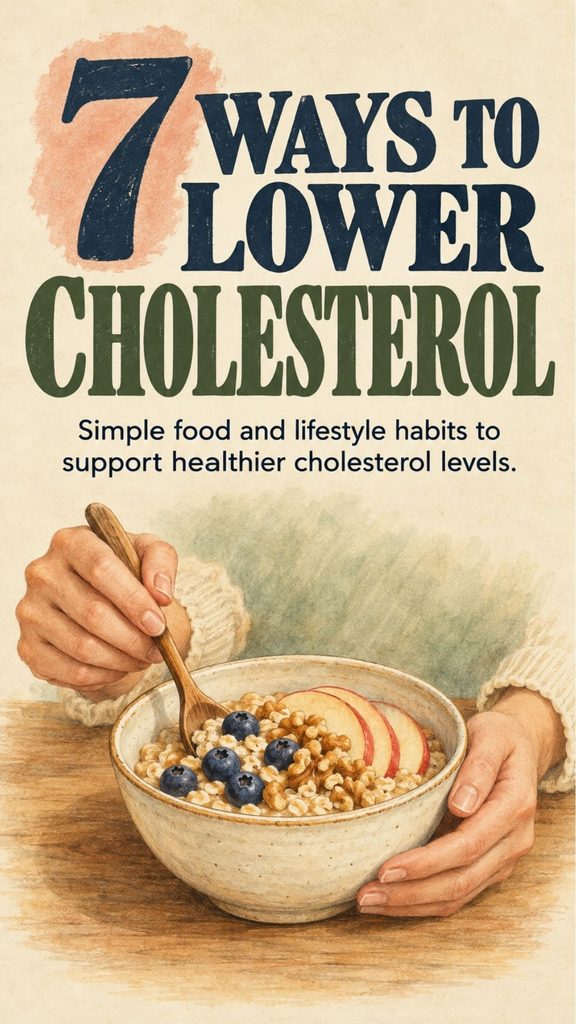
Start your morning with a bowl of oatmeal topped with sliced apples.
Add beans or lentils to soups and casseroles.
Replace some refined grains with barley or other whole grains.
Try adding chickpeas to a vegetable salad or preparing a simple bean-based lunch.
These changes provide fiber alongside other useful nutrients.
Increase your fiber intake gradually, especially if your usual diet contains relatively little fiber. A sudden increase can cause bloating or digestive discomfort.
Drink enough water as you make these changes.
Psyllium can be useful for some people, but fiber supplements may interfere with the absorption of certain medications. Follow package directions and ask your pharmacist about appropriate timing if you take medicines.
2. Cut Back on Saturated Fat
Saturated fat is one of the main dietary factors that can raise LDL cholesterol.
Common sources include fatty cuts of meat, butter, cream, full-fat cheese, certain processed foods, and tropical oils such as coconut and palm oil.
You don’t have to eliminate every food containing saturated fat. However, reducing the amount you regularly consume can help improve your cholesterol profile.
Make Simple Food Swaps
Instead of butter, try olive oil for suitable cooking methods.
Choose fish, beans, lentils, or other lower-saturated-fat proteins more often.
Replace some processed meats with home-cooked alternatives.
Select unsweetened lower-fat dairy products if they suit your nutritional needs.
When buying packaged foods, compare the saturated fat content on the nutrition label.
Pay particular attention to foods eaten frequently. A small improvement in something you consume every day may be more useful than occasionally avoiding a particular treat.
What About Eggs?
Eggs contain dietary cholesterol, but their effect on blood cholesterol varies with the overall diet and individual circumstances.
For many people, saturated fat intake has a greater influence on LDL cholesterol than dietary cholesterol alone.
An egg served with vegetables and whole-grain toast is nutritionally different from a breakfast regularly accompanied by bacon, sausage, butter, and fried foods.
Focus on the overall eating pattern rather than labeling individual foods as universally good or bad.
3. Add Foods Containing Plant Sterols and Stanols
Plant sterols and stanols are naturally occurring substances found in plant foods.
Their chemical structures resemble cholesterol, allowing them to compete with cholesterol for absorption in the digestive tract.
As a result, they can help lower LDL cholesterol.
Small amounts occur naturally in foods such as nuts, seeds, legumes, whole grains, and vegetable oils.
Some foods are also fortified with additional plant sterols or stanols.
How to Include Them in Your Diet
Eat a variety of nuts, seeds, beans, and whole grains as part of your regular meals.
If you’re considering specially fortified foods, check the label to understand the amount supplied per serving.
Research indicates that approximately 2 grams of plant sterols or stanols daily can produce a modest reduction in LDL cholesterol in many adults.
However, naturally occurring amounts in ordinary food are generally much lower than this.
Fortified products are not essential for everyone, and they shouldn’t replace other dietary improvements or prescribed treatment.
People with particular medical conditions, including the rare inherited disorder sitosterolemia, need individualized advice about plant sterols.
For most households, beginning with a varied, plant-rich diet is a practical first step.
4. Replace Unhealthy Fats With Heart-Healthy Alternatives
Not all dietary fat affects cholesterol in the same way.
Unsaturated fats, particularly when they replace saturated fats, can support healthier blood cholesterol levels.
The key word is replace.
Simply adding large quantities of oil, nuts, or avocado to an already high-calorie diet may not provide the same benefits as substituting them for less healthy fats.
Choose More Unsaturated Fats
Useful options include:
- Olive oil
- Canola oil
- Avocados
- Walnuts
- Almonds
- Sunflower seeds
- Salmon
- Sardines
- Trout
For example, you could replace a butter-based spread with a suitable olive-oil-based option.
Use a small handful of unsalted nuts instead of a snack high in saturated fat.
Choose grilled fish instead of processed meat for some meals.
Fatty fish also supplies omega-3 fatty acids, which can benefit cardiovascular health and help lower triglycerides in certain circumstances.
However, eating omega-3-rich foods should not be confused with taking fish-oil supplements specifically to lower LDL cholesterol.
Ordinary fish-oil supplements are not reliable LDL-lowering treatments.
A heart-healthy eating pattern also includes vegetables, fruit, legumes, and whole grains rather than focusing on fats alone.
5. Become More Physically Active
Regular physical activity benefits cardiovascular health in several ways.
Exercise can improve fitness, support healthy blood pressure, help manage body weight, and produce favorable changes in blood lipids.
Its effect on LDL cholesterol may be modest for some people, but the broader cardiovascular benefits remain important.
You don’t need to become a marathon runner or spend hours at the gym.
Moderate activities performed consistently can make a difference.
How Much Exercise Should You Aim For?
Current cardiovascular guidance generally recommends at least 150 minutes of moderate-intensity aerobic activity per week, along with muscle-strengthening exercises on two days.
That could mean walking briskly for 30 minutes on five days each week.
Other suitable activities include cycling, swimming, dancing, and certain types of gardening.
Start With What You Can Manage
If you’re currently inactive, begin with short, comfortable sessions.
Take a ten-minute walk after lunch.
Use the stairs when appropriate.
Spend more time doing active household tasks or gardening.
Gradually increase your activity as your fitness improves.
If you have heart symptoms, a significant medical condition, or concerns about exercising safely, discuss an appropriate activity plan with your healthcare professional.
Consistency is more valuable than an intense workout routine that you cannot maintain.
6. Work Toward a Healthy, Sustainable Weight
Body weight can influence LDL cholesterol, triglycerides, blood pressure, and other cardiovascular risk factors.
For people carrying excess body fat, particularly around the abdomen, modest weight loss can improve several metabolic health measurements.
However, losing weight isn’t necessary or appropriate for everyone.
People who are already at a healthy weight can still have elevated cholesterol, including because of inherited factors.
The focus should be on developing sustainable habits rather than pursuing extreme dieting.
Make Changes That Last
Begin with practical adjustments:
- Replace sugary drinks with water or unsweetened alternatives.
- Include vegetables and fiber-rich foods in regular meals.
- Prepare more meals at home when practical.
- Pay attention to portions without skipping necessary meals.
- Reduce frequent consumption of highly processed foods rich in saturated fat.
- Maintain regular physical activity.
Avoid crash diets and products claiming to produce rapid weight loss.
They’re often difficult to maintain and may carry health risks.
Remember that your cholesterol levels can improve through dietary changes and exercise even when your weight changes very little.
7. Stop Smoking and Limit Alcohol
Smoking has harmful effects on blood vessels and increases cardiovascular risk.
It can also adversely affect HDL cholesterol and other aspects of lipid metabolism.
Quitting smoking can improve cardiovascular health regardless of your starting cholesterol numbers.
If you smoke, support is available through healthcare professionals, counseling programs, and evidence-based smoking-cessation treatments.
Quitting may take more than one attempt, and a structured support plan can improve the chances of success.
Does Alcohol Affect Cholesterol?
Excessive alcohol consumption can raise triglyceride levels and contribute to other health problems.
Some older research suggested that moderate drinking might be associated with certain heart benefits, but alcohol is not recommended as a way to improve cholesterol or prevent heart disease.
If you don’t drink alcohol, there’s no cardiovascular reason to start.
If you do drink, reducing intake may be beneficial, particularly when triglycerides are elevated.
People with certain medical conditions or taking specific medications may need to avoid alcohol entirely.
Do Home Remedies Like Garlic, Lemon, or Apple Cider Vinegar Work?
Home remedies for cholesterol are widely promoted online.
Garlic, lemon juice, apple cider vinegar, ginger, and various herbal mixtures are sometimes described as natural treatments capable of clearing blocked arteries.
Those claims deserve caution.
Some foods and plant compounds have been studied for possible effects on cholesterol measurements, but evidence for many popular remedies is limited, inconsistent, or based on small studies.
There is no convincing evidence that drinking lemon water or apple cider vinegar can remove arterial plaque or replace established cholesterol treatment.
Garlic can be a flavorful addition to heart-healthy cooking, but it is not a dependable substitute for cholesterol-lowering medication.
High-dose supplements can also cause side effects or interact with prescription medicines.
Current American cardiovascular guidelines do not recommend dietary supplements as a routine strategy for lowering LDL cholesterol.
A heart-healthy diet is useful. An unproven home remedy promoted as a cure is something very different.
A Simple One-Day Eating Plan for Better Cholesterol
Improving your eating habits doesn’t have to involve complicated recipes.
Here’s an example of how ordinary meals can incorporate several cholesterol-friendly ingredients.
Breakfast
A bowl of oatmeal prepared with low-fat milk or an appropriate fortified unsweetened alternative, topped with sliced apple and a small amount of walnuts.
This provides soluble fiber and unsaturated fats.
Lunch
A chickpea and vegetable salad with tomatoes, cucumbers, leafy greens, olive oil, and lemon juice.
Serve with whole-grain bread if desired.
Afternoon Snack
A piece of fruit with a small handful of unsalted almonds.
Dinner
Baked salmon or a bean-based main dish with barley and steamed vegetables.
Season with herbs, garlic, and other appropriate flavorings rather than relying heavily on butter or creamy sauces.
This is simply an illustrative menu, not a personalized diet prescription. Portion sizes and food choices should reflect your needs, allergies, budget, and medical circumstances.
How Long Does It Take to Lower Cholesterol Naturally?
Cholesterol levels may begin responding to dietary and lifestyle changes within several weeks.
However, the size of the improvement varies.
Some people experience meaningful reductions in LDL cholesterol through food choices and other habits, while others require medication because of genetics, underlying medical conditions, or high cardiovascular risk.
Your clinician may recommend repeating blood tests after an appropriate interval to assess your response.
Don’t rely on how you feel to judge whether cholesterol has improved.
High LDL cholesterol typically causes no obvious symptoms, so a blood test is necessary to measure progress.
Keeping a simple record of dietary changes, exercise, and test results can help you and your healthcare professional evaluate what is working.
When Lifestyle Changes Are Not Enough
Healthy habits are important for nearly everyone, but some people need cholesterol-lowering medication in addition to lifestyle changes.
This is particularly relevant for people who have already experienced heart attack or stroke, those with certain high-risk medical conditions, or individuals with markedly elevated LDL cholesterol.
An LDL level of 190 mg/dL (4.9 mmol/L) or higher in an adult is considered severe hypercholesterolemia and generally warrants prompt medical evaluation and cholesterol-lowering drug treatment.
Inherited conditions such as familial hypercholesterolemia can also cause high LDL levels even in people who eat well and exercise regularly.
Statins are commonly used because they lower LDL cholesterol and have strong evidence for reducing the risk of cardiovascular events.
Other treatments, such as ezetimibe, PCSK9 inhibitors, or bempedoic acid, may be appropriate in selected circumstances.
The best approach depends on your overall risk, laboratory results, medical history, and individual treatment needs.
Do not stop or replace a prescribed cholesterol medication with a supplement or home remedy without discussing it with your clinician.
Common Mistakes to Avoid When Trying to Lower Cholesterol
Some well-intentioned approaches are less helpful than they appear.
Focusing only on total cholesterol: LDL, triglycerides, and overall cardiovascular risk provide important additional information.
Avoiding all fats: Unsaturated fats can be an important part of a heart-healthy diet.
Relying on supplements: Popular cholesterol supplements generally do not provide the proven cardiovascular benefits of indicated medical treatments.
Expecting immediate results: Cholesterol management requires consistent habits and appropriate follow-up testing.
Ignoring family history: Inherited cholesterol disorders may require medication even when lifestyle habits are excellent.
Assuming that being thin means cholesterol is normal: Elevated LDL cholesterol can occur at any body weight.
Stopping medication after one improved test: Improved numbers may reflect the treatment working, not evidence that it is no longer necessary.
Final Thoughts: Small Changes Can Support Healthier Cholesterol
Lowering high cholesterol is rarely about finding one miracle ingredient.
The strongest approach combines practical dietary improvements, regular physical activity, appropriate weight management, avoidance of tobacco, and medical treatment when necessary.
Begin with changes you can comfortably maintain.
Add oatmeal or beans to your meals. Replace some saturated fats with unsaturated alternatives. Take regular walks and review how often you eat highly processed foods.
These everyday choices can contribute to healthier cholesterol levels and better cardiovascular health over time.
Just remember that lifestyle changes don’t work equally well for everyone, and high cholesterol cannot always be controlled without medication.
The goal isn’t to eliminate cholesterol from your body. It’s to keep harmful cholesterol levels under control, protect your arteries, and reduce your long-term risk of heart disease and stroke.