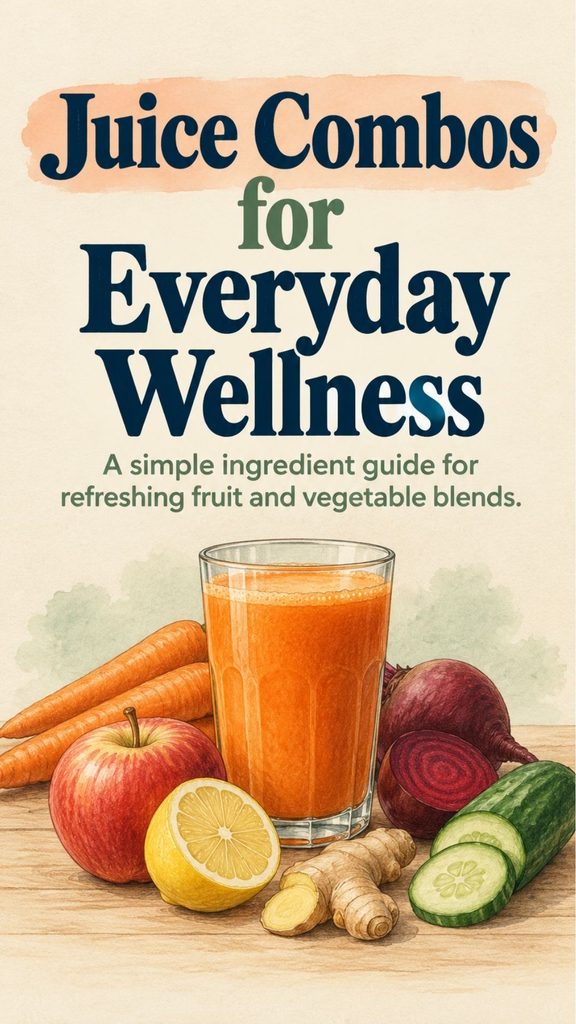
Fruit and vegetable juices can be refreshing, convenient, and packed with nutrients.
Carrots provide carotenoids. Citrus fruits provide vitamin C. Beets contain dietary nitrate. Leafy greens contribute folate and other micronutrients. Ginger, turmeric, garlic, celery, cucumber, berries, and pomegranate all contain compounds that researchers continue to study.
What juice cannot do is reliably cure colds, depression, asthma, diabetes, kidney disease, arthritis, memory loss, high blood pressure, or most of the other conditions often attached to viral “juice cure” charts.
You Might Also Like:
- Loading posts...
That distinction matters.
Food can support health.
Food can sometimes affect symptoms or risk factors.
But a glass of produce does not become medicine simply because several healthy ingredients have been combined.
There is another practical point: juicing usually removes much of the fiber that would have been present if you ate the fruit or vegetable whole. The CDC specifically recommends whole fruit over fruit juice because juice can deliver sugar quickly while providing less fiber and less fullness.
So rather than treating these combinations as cures, it is more useful to ask what each one might realistically contribute.
1. Carrot, Pineapple, Ginger, Garlic, and Lemon for a Cold
This combination contains plenty of strong flavors and several nutritious ingredients.
Lemon and pineapple provide vitamin C. Ginger can make a warm drink feel soothing. Garlic contains biologically active compounds that have been studied for immune-related effects.
But it will not cure the common cold.
The National Center for Complementary and Integrative Health notes that there is not enough clinical evidence to conclude that garlic prevents or treats colds.
That does not make the drink useless.
If you enjoy it, it can contribute fluids and nutrients while you recover.
But rest, hydration, symptom management, and time remain more important than trying to create a powerful “cold-killing” juice.
Be careful with very concentrated raw garlic as well. Large amounts can irritate the stomach, and garlic supplements can interact with blood-thinning medications.
2. Apple, Cucumber, Kale, Ginger, and Celery for Headaches
A headache can sometimes occur when someone has not eaten enough or has become dehydrated.
In that situation, a drink containing fluid and carbohydrate might help you feel better.
That is very different from saying apple, kale, ginger, cucumber, and celery specifically cure headaches.
Headaches have many possible causes:
dehydration,
migraine,
tension,
lack of sleep,
caffeine withdrawal,
illness,
medication effects,
sinus symptoms,
and numerous other conditions.
If headaches are frequent, severe, suddenly different from usual, or accompanied by concerning neurological symptoms, the cause deserves medical attention rather than repeated juice experiments.
A vegetable-and-fruit drink can be part of breakfast.
It is not a universal headache treatment.
An Unlabeled Cabbage, Carrot, and Celery Combination
The original list also includes cabbage, carrot, and celery without clearly identifying which condition the combination is intended to treat.
Rather than guessing, it is better to leave it unlabeled.
All three are nutritious vegetables, but there is not enough information in the source to responsibly claim that this particular mixture treats a specific condition.
3. Beet, Apple, Ginger, Celery, and Cucumber for High Blood Pressure
This is one of the more interesting combinations because beetroot has actually been studied for blood pressure.
Beets are naturally rich in nitrate, which the body can convert into nitric oxide. Nitric oxide helps blood vessels relax.
A 2024 systematic review and meta-analysis of 11 randomized trials involving adults with hypertension found that beetroot juice was associated with a modest reduction in clinic-measured systolic blood pressure. However, the certainty of evidence was rated low, and the researchers did not find significant effects for several other blood-pressure outcomes.
That means beetroot juice may have a small supportive effect for some people.
It does not mean:
“Drink beet juice instead of taking your blood-pressure medicine.”
Hypertension often causes no obvious symptoms while increasing the risk of cardiovascular and kidney problems over time.
If you have high blood pressure, dietary changes can support treatment, but monitoring and appropriate medical care still matter.
Apple, celery, cucumber, and ginger may make the juice palatable and contribute nutrients, but they do not transform it into an antihypertensive drug.
4. Carrot, Watermelon, Cucumber, and Cilantro for a “Kidney Detox”
Your kidneys already perform detoxification.
They continually filter the blood, regulate fluid and electrolyte balance, and remove waste products through urine.
There is no special juice required to “flush toxins” from healthy kidneys.
The National Kidney Foundation specifically cautions against products marketed as kidney detoxes or cleanses because evidence supporting those claims is limited and some ingredients can even be harmful, particularly for people who already have kidney disease.
Watermelon and cucumber contain a lot of water, so a drink made with them can contribute hydration.
That is very different from detoxifying the kidneys.
Cilantro has no established ability to cleanse the kidneys when added to juice.
People with chronic kidney disease may also need to limit certain minerals or fluids depending on their condition, so a large concentrated vegetable juice is not automatically appropriate simply because it is “natural.”
5. Carrot, Celery, and Red Bell Pepper for the Eyes
Carrots have a deserved connection with eye health—but the claim is often exaggerated.
Carrots contain beta-carotene, which the body can convert into vitamin A. Vitamin A is necessary for normal vision.
But eating extra carrots does not give someone superhuman eyesight.
The American Academy of Ophthalmology explains that vitamin A-rich foods help maintain normal eyesight, but carrots will not improve ordinary vision or remove the need for glasses or contact lenses.
Red peppers also provide vitamin C and carotenoids, while leafy and colorful vegetables contribute nutrients important to overall eye health.
Eat them because they are nutritious.
Do not expect a carrot-celery-pepper juice to correct myopia, cataracts, glaucoma, macular degeneration, or another eye disorder.
6. Carrot, Apple, Ginger, and Fresh Cabbage for Constipation
This combination contains foods that can contribute fiber—when eaten whole.
That qualification is important.
Constipation often improves when people gradually increase dietary fiber and consume adequate fluids. NIDDK recommends fiber-rich foods such as fruits, vegetables, legumes, whole grains, and nuts, along with enough fluid to help the fiber work properly.
If you extract the juice and throw away the pulp, however, you remove much of the very fiber that could help.
For constipation, an apple eaten with its skin may be more useful than clear apple juice.
Carrots and cabbage eaten as food retain more fiber than strained juice.
If you like blended drinks, a smoothie that keeps the pulp may make more sense than using a juicer.
Persistent constipation, blood in the stool, severe abdominal pain, unexplained weight loss, or a major change in bowel habits should not simply be treated with homemade juice.
7. Apple, Carrot, Celery, Beet, Lemon, and Ginger for a Hangover
There is no proven hangover cure.
Not coffee.
Not a cold shower.
Not a special breakfast.
And not beet, ginger, lemon, or celery juice.
The National Institute on Alcohol Abuse and Alcoholism states that there is no scientifically proven hangover remedy; recovery requires time while the body processes the effects of alcohol.
A juice may still help someone drink some fluid and consume carbohydrate after a night of drinking.
That may make the morning feel a little easier.
But it does not speed up alcohol metabolism or instantly repair the body’s response.
The most effective way to prevent a hangover remains limiting alcohol intake.
8. Carrot, Apple, Spinach, and Beet for Depression
This is one of the most important claims to correct.
Depression is not caused by a lack of carrot or beet juice.
A nutritious diet can support physical and mental health, and regular healthy meals are part of good self-care.
But clinical depression is a real health condition that can significantly affect sleep, appetite, concentration, motivation, relationships, and everyday functioning.
NIMH describes established treatments as psychotherapy, medication, or a combination depending on the individual and severity of symptoms.
Spinach, beets, apples, and carrots can absolutely belong in a healthy diet.
They should not be presented as antidepressant treatment.
If low mood, hopelessness, loss of interest, or other depressive symptoms persist or interfere with ordinary life, seek professional support rather than relying on a juice regimen.
9. Carrot, Apple, Ginger, Lemon, Bitter Gourd, and Spinach for Diabetes
This may be the most problematic recipe on the original list.
Fruit juice can raise blood glucose quickly.
The CDC specifically notes that drinking fruit juice raises blood sugar faster than eating whole fruit and advises people with diabetes to choose whole fruit rather than juice when possible.
Apple and carrot juice can contain a substantial amount of carbohydrate once several pieces of produce are concentrated into one glass.
That does not mean people with diabetes can never drink juice.
It means the amount needs to fit into an individual’s carbohydrate and treatment plan.
Bitter gourd, or bitter melon, is often marketed as a natural diabetes treatment, but adding it to juice does not make the drink a substitute for glucose monitoring, medication, insulin, or individualized nutrition advice.
Do not stop diabetes medication because an online recipe claims to lower blood sugar.
For everyday eating, whole vegetables, whole fruit, protein, healthy fats, and fiber-rich carbohydrates are usually a more balanced approach than concentrated fruit juice.
10. Parsnip, Apple, Lemon, and Ginger for Asthma
Asthma involves inflammation and narrowing of the airways.
It can range from mild to life-threatening.
There is no evidence that a parsnip, apple, lemon, and ginger juice can stop an asthma attack or control asthma on its own.
NHLBI explains that asthma treatment may involve quick-relief inhalers and long-term controller medicines, along with an individualized asthma action plan.
Fruit and vegetables are still worth eating as part of a nutritious diet.
Just keep the roles clear.
Juice is food.
A prescribed inhaler is medicine.
Never delay appropriate asthma treatment while waiting to see whether ginger or lemon works.
11. Pineapple, Celery, Cucumber, Ginger, and Turmeric for Arthritis
Pineapple, ginger, and turmeric are frequently described as “anti-inflammatory foods.”
That does not mean a juice made from them treats arthritis.
Turmeric contains curcumin, a compound that has been studied for osteoarthritis and inflammatory conditions. Some clinical trials using concentrated curcumin preparations have reported improvements in pain or function, but culinary turmeric contains far less curcumin than the standardized extracts generally studied.
Juicing a teaspoon of turmeric with pineapple is therefore not equivalent to clinical treatment.
Arthritis is also not one single disease.
Osteoarthritis, rheumatoid arthritis, gout, and other conditions have different causes and treatments.
A vegetable-rich eating pattern may support general health.
It does not replace diagnosis or appropriate arthritis care.
12. Orange, Apple, Watermelon, and Lemon for Kidney Stones
There is a small amount of truth hidden inside this claim.
Hydration is extremely important for preventing many kidney stones.
NIDDK says drinking enough liquid—mainly water—is one of the most important ways to reduce the risk of stone formation. Citrus drinks may also help in some cases because citrate can reduce crystal formation.
That makes lemon potentially useful in a prevention strategy.
But the advice depends on the type of stone.
Someone who has already formed kidney stones may need individualized recommendations about sodium, animal protein, calcium, oxalate, or other dietary factors.
A large glass of orange-and-apple juice also contains a considerable amount of sugar.
So a more practical kidney-stone prevention drink for many people might simply be water with lemon, if appropriate.
And if a stone is already causing severe pain or urinary obstruction, juice will not dissolve every type of stone or replace medical treatment.
13. Banana, Strawberry, and Pear for Stress
Banana does not juice particularly well, so this combination is more realistically a smoothie.
And as a smoothie, it can make a pleasant snack.
Bananas, strawberries, and pears provide carbohydrate, fiber, vitamins, minerals, and other plant compounds when blended whole.
Eating regular nutritious meals can support general mental and physical well-being. NIMH includes healthy meals, exercise, sleep, and social connection among supportive self-care habits.
But a fruit smoothie is not a treatment for chronic stress, an anxiety disorder, burnout, or a difficult life circumstance.
It may be part of a calming breakfast.
The calming part may also come from sitting down, eating something nourishing, and taking a break.
Sometimes wellness advice gives the ingredients too much credit and the routine too little.
14. Carrot, Beet, Apple, Lemon, and Spinach for Fatigue
Fatigue is a symptom, not a diagnosis.
You can feel tired because you:
did not sleep enough,
have not eaten enough,
are dehydrated,
are under significant stress,
have an infection,
have anemia,
have thyroid disease,
take certain medicines,
have depression,
or have many other medical conditions.
A fruit-and-vegetable drink can provide carbohydrate and micronutrients, and someone who skipped breakfast may temporarily feel more energetic after drinking it.
That does not reveal why they were fatigued.
Spinach contains iron, but drinking spinach juice does not automatically treat iron-deficiency anemia.
If fatigue is persistent, unexplained, unusually severe, or accompanied by other symptoms, finding the cause is more useful than repeatedly adding “energy” ingredients to a blender.
15. Pomegranate, Beet, and Grape for Memory Loss
Pomegranate, grapes, and beets all contain interesting plant compounds.
Researchers have studied dietary patterns and specific foods in relation to brain and cardiovascular health.
But no pomegranate-beet-grape juice has been shown to reverse meaningful memory loss.
The National Institute on Aging notes that changes in memory can have many possible causes, including medication effects, depression, sleep problems, thyroid or other medical conditions, nutrient deficiencies, mild cognitive impairment, and dementia.
Some causes may be treatable.
That is exactly why persistent memory problems should be evaluated instead of treated with a homemade “brain juice.”
Nutrition matters for long-term health.
So do:
physical activity,
adequate sleep,
blood-pressure management,
social engagement,
and treatment of medical conditions.
One colorful beverage cannot replace that larger picture.
Juice Is Not the Same as Eating Produce
This is the most useful lesson from the entire list.
A glass containing several carrots, an apple, beetroot, and fruit may look exceptionally healthy.
But once those ingredients are juiced, much of the fiber has been removed and several servings of carbohydrate can be consumed very quickly.
Whole fruits and vegetables require chewing, usually take longer to eat, and tend to be more filling.
The CDC specifically encourages whole fruit over juice for this reason.
That does not mean all juice is bad.
A small serving of 100% juice can fit into many diets.
Vegetable-heavy juices may also be a convenient way to use produce.
Just do not assume that turning vegetables into liquid makes them more medicinal.
Smoothies Preserve More Fiber
If you enjoy drinking your produce, blending is often a better option than extracting the liquid and discarding the pulp.
A smoothie can contain the whole fruit or vegetable.
That means more of the fiber remains.
For example, instead of juicing:
one apple,
carrot,
spinach,
and ginger,
you could blend a smaller quantity with water, plain yogurt, or another appropriate liquid.
The result will be thicker, but nutritionally it remains closer to the original foods.
Portion still matters, especially for people managing blood glucose.
More Ingredients Do Not Make a Juice More Powerful
Online recipes often become increasingly elaborate.
Carrot.
Apple.
Beet.
Ginger.
Turmeric.
Garlic.
Lemon.
Celery.
Cucumber.
Spinach.
Pineapple.
Ten ingredients feel more therapeutic than three.
Biology does not work that way.
Adding more ingredients can also make it harder to know what is causing digestive discomfort, medication interactions, or blood-glucose changes.
If you enjoy fresh juice, keep it simple.
Drink it because you like it—not because the number of ingredients makes it look like medicine.
A Better Way to Use These Recipes
Instead of labeling each drink as a cure, describe it according to what it actually is.
The carrot-pineapple-ginger drink can be a bright citrusy breakfast juice.
Beet, apple, celery, and cucumber can be a nitrate-rich vegetable-fruit juice.
Banana, strawberry, and pear can become a fiber-containing fruit smoothie.
Carrot, celery, and red pepper can be a vitamin-rich vegetable drink.
Pineapple, ginger, and turmeric can be a spiced tropical smoothie.
Lemon water can help diversify fluid intake for someone trying to prevent certain kidney stones.
Those descriptions may sound less dramatic than “cures,” but they are much more accurate.
When Food Claims Become Dangerous
Some nutrition exaggerations are mostly harmless.
Calling a juice “detoxifying” may simply encourage someone to eat more vegetables.
Other claims are riskier.
A person with diabetes might stop medication because bitter melon is supposed to cure blood sugar.
Someone having an asthma attack might try ginger instead of using a prescribed inhaler.
Someone with persistent depression might believe beet juice should be enough.
Someone with memory loss might delay medical assessment.
Someone with a kidney stone might keep drinking juice while an obstructed urinary tract worsens.
That is why wording matters.
Healthy foods deserve praise without pretending they can do things they cannot.
The Best “Juice Cure” Is a Better Overall Diet
Health rarely comes from one spectacular ingredient.
It comes from patterns repeated over time.
Eating vegetables.
Eating whole fruit.
Including legumes, whole grains, nuts, seeds, and appropriate protein sources.
Drinking enough fluid.
Sleeping.
Moving your body.
Managing blood pressure.
Taking prescribed medications appropriately.
Avoiding tobacco.
Limiting excess alcohol.
Getting medical care when symptoms need investigation.
Juice can fit somewhere inside that pattern.
It does not sit above it.
The Bottom Line
Carrot, beet, cucumber, ginger, lemon, spinach, berries, pineapple, pomegranate, grapes, celery, cabbage, peppers, and other produce are all valuable foods.
Enjoy them.
Eat them whole.
Blend them.
Use small amounts of juice if you like.
But do not ask them to perform jobs they cannot reliably perform.
Juice does not cure a cold.
It does not detox the kidneys.
It does not treat depression or asthma.
It does not replace diabetes management.
It does not restore lost memory.
It does not eliminate arthritis.
And there is no scientifically proven hangover juice.
There are a few more nuanced exceptions: beetroot juice may modestly lower systolic blood pressure in some people with hypertension, and citrate-containing citrus drinks may help prevent certain kidney stones. Even those effects are supportive rather than curative.
The better message is much simpler:
eat and drink plenty of nutritious plants because they support health—not because every glass needs to cure something.