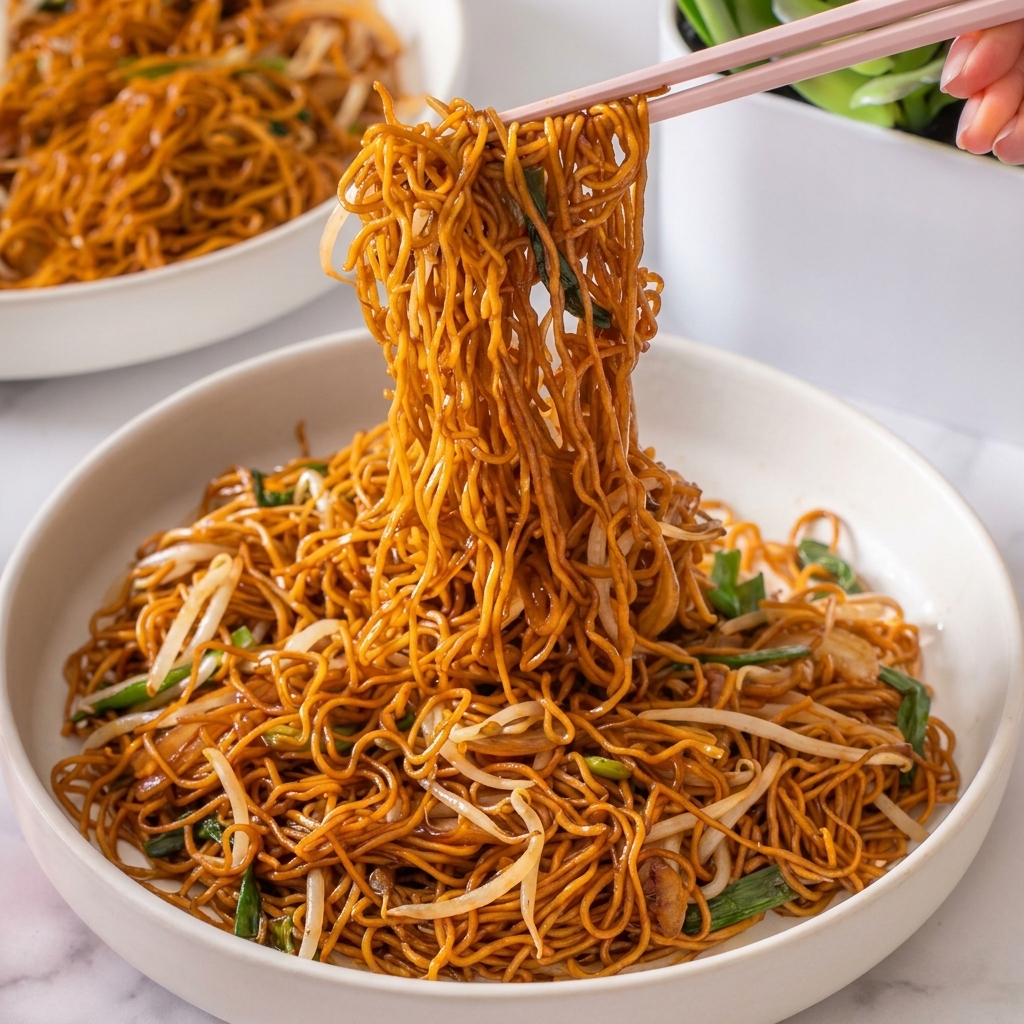
This easy Chow Mein recipe makes savory stir-fried noodles with crisp vegetables and a glossy sauce in just 25 minutes.
Easy Chow Mein Recipe
The best part of chow mein is the moment the noodles hit the hot skillet and their edges begin to sizzle. This Chow Mein recipe gives you springy noodles, crisp vegetables, and a glossy savory sauce in about 25 minutes—faster than waiting for takeout.
Everything cooks in one large pan once the noodles are ready. The sauce is salty, slightly sweet, and rich enough to coat every strand without leaving a puddle at the bottom of the bowl.
You Might Also Like:
- Loading posts...
Why You’ll Love This Recipe
- Ready in 25 minutes: The vegetables and noodles cook quickly over high heat.
- Restaurant-style texture: Briefly stir-frying the noodles gives them lightly caramelized edges.
- Simple homemade sauce: Soy sauce, sesame oil, brown sugar, and oyster sauce create deep flavor with pantry ingredients.
- Easy to customize: Add chicken, beef, shrimp, tofu, or extra vegetables depending on what you have.
Recipe Card Summary
- Prep Time: 15 minutes
- Cook Time: 10 minutes
- Total Time: 25 minutes
- Servings: 4
- Yield: Approximately 6 cups
- Recipe Style: Modern-Easy
- Cooking Method: Stir-Frying
Chow Mein Recipe Ingredients
For the Sauce
- ¼ cup low-sodium soy sauce
- 2 tablespoons oyster sauce or vegetarian mushroom sauce
- 1 tablespoon toasted sesame oil
- 1 tablespoon packed light brown sugar
- 1 tablespoon water
- 2 teaspoons cornstarch
- ½ teaspoon ground black pepper
For the Noodles and Vegetables
- 12 ounces fresh chow mein noodles or 8 ounces dried chow mein noodles
- 2 tablespoons neutral cooking oil, divided
- 3 garlic cloves, finely minced
- 1 teaspoon freshly grated ginger
- 2 cups thinly sliced green cabbage
- 1 medium carrot, cut into thin matchsticks
- 2 cups fresh bean sprouts
- 4 green onions, cut into 2-inch pieces
- 1 teaspoon sesame seeds, optional
How to Make Easy Chow Mein
- Prepare the sauce.
Whisk the soy sauce, oyster sauce, sesame oil, brown sugar, water, cornstarch, and black pepper together in a small bowl.Keep the sauce near the stove. Chow mein cooks quickly once the pan is hot, so it helps to have everything ready. - Cook the noodles.
Prepare the chow mein noodles according to the package directions. Fresh noodles may need only a quick rinse or one to two minutes in boiling water, while dried noodles usually require several minutes.Cook them just until tender. Overcooked noodles become soft and may break apart during stir-frying. - Drain thoroughly.
Drain the noodles in a colander and rinse briefly under cool water to stop the cooking. Shake away as much water as possible.Toss them with a small drizzle of oil if they seem likely to stick together. - Prepare the vegetables.
Slice the cabbage thinly and cut the carrot into narrow matchsticks. Rinse the bean sprouts and drain them well.Cut the green onions into pieces, keeping the darker green portions separate if you want to save them for garnish. - Heat the pan.
Place a large wok or wide skillet over medium-high heat. Allow it to become hot before adding 1 tablespoon of the cooking oil.A properly heated pan helps the vegetables cook quickly without releasing too much moisture. - Cook the cabbage and carrot.
Add the cabbage and carrot to the skillet. Stir-fry for 2 to 3 minutes, keeping the vegetables moving.They should begin to soften but still retain a little crunch. - Add the aromatics.
Push the vegetables toward the edges of the pan. Add the remaining tablespoon of oil to the center, followed by the garlic and ginger.Cook for about 30 seconds, stirring constantly, until fragrant. Do not let the garlic turn dark brown. - Stir-fry the noodles.
Add the drained noodles to the skillet. Use tongs or two wooden spoons to lift and toss them with the vegetables.Let some of the noodles remain against the hot surface for 20 to 30 seconds before tossing again. This creates the lightly browned edges that make homemade chow mein especially satisfying. - Add the sauce.
Whisk the sauce once more because the cornstarch may have settled. Pour it evenly over the noodles.Toss continuously for 1 to 2 minutes, until the sauce thickens slightly and coats the noodles with a glossy finish. - Finish with the fresh vegetables.
Add the bean sprouts and green onions. Stir-fry for another 1 to 2 minutes.The bean sprouts should warm through while remaining crisp. Remove the pan from the heat before they soften too much. - Taste and serve.
Taste the noodles and add a small splash of soy sauce if more seasoning is needed.Divide the chow mein among four bowls and finish with sesame seeds or extra green onions.
Recipe Notes and Helpful Tips
Avoid overcooking the noodles
The noodles cook twice—first in water and again in the skillet. Remove them from the boiling water while they still have a little firmness.
If they are fully soft before stir-frying, they may become mushy once the sauce is added.
Drain everything well
Wet noodles and vegetables create steam, which prevents proper browning. Shake the noodles thoroughly after draining and pat the vegetables dry when needed.
Use a wide pan
A wok is ideal, but a large skillet works well too. The important part is giving the noodles enough space to contact the hot cooking surface.
A crowded pan produces softer noodles, so cook in two batches if your skillet is small.
Add protein
For chicken chow mein, stir-fry 1 pound of thinly sliced chicken breast before cooking the vegetables. Remove it from the skillet once cooked, then return it with the noodles.
Thinly sliced beef, shrimp, or firm tofu can be prepared the same way. Cook each protein completely before serving.
Try different vegetables
Thinly sliced bell peppers, mushrooms, snow peas, bok choy, celery, or broccoli all work well. Cut firm vegetables into small pieces so they cook quickly.
Make the sauce ahead
The chow mein sauce may be mixed up to four days in advance. Store it in a sealed container in the refrigerator and whisk it thoroughly before using.
The vegetables can also be sliced one day ahead and refrigerated separately.
Store leftovers properly
Refrigerate leftover chow mein in an airtight container for up to four days. The noodles will absorb more sauce while they rest, but they should still reheat well.
Warm them in a lightly oiled skillet over medium heat. Add a teaspoon of water if they appear dry.
Frequently Asked Questions
What type of noodles are best for chow mein?
Fresh chow mein noodles provide the most traditional springy texture and are often sold in the refrigerated section of Asian grocery stores. Dried chow mein noodles, thin egg noodles, or ramen noodles without the seasoning packets can also work.
Avoid very soft pasta shapes, which may not hold up well during stir-frying.
What is the difference between chow mein and lo mein?
Chow mein noodles are stir-fried in a hot pan, which gives them a firmer texture and lightly browned edges. Lo mein noodles are usually tossed with sauce and other cooked ingredients, so they remain softer.
Preparation varies by restaurant and region, but the cooking method is the main difference.
How do I keep chow mein noodles from sticking?
Do not overcook the noodles, and drain them thoroughly. After rinsing, toss them with a small amount of oil before adding them to the skillet.
A hot, lightly oiled pan also helps separate the strands.
Can I make chow mein without oyster sauce?
Yes. Replace it with vegetarian mushroom stir-fry sauce, hoisin sauce, or an additional tablespoon of soy sauce mixed with one teaspoon of brown sugar.
The flavor will change slightly, but the noodles will still have a rich savory coating.
A Faster Way to Handle the Takeout Craving
Serve the noodles straight from the skillet while the bean sprouts still have a little snap and the sauce is shiny enough to cling to the chopsticks. It is quick, flexible, and exactly the sort of dinner that disappears from the bowls before anyone asks about leftovers.
Print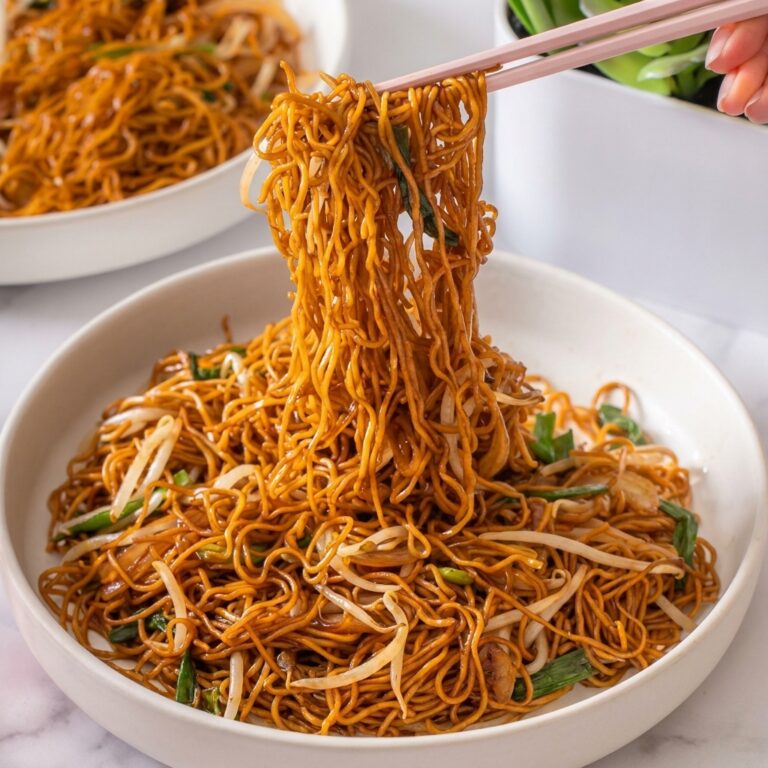
Chow Mein Recipe – Better Than Takeout
Springy stir-fried noodles tossed with crisp vegetables and a glossy homemade savory sauce. This easy chow mein tastes better than takeout and is ready in only 25 minutes.
Ingredients
For the Chow Mein Sauce:
1/4 cup low-sodium soy sauce
2 tablespoons oyster sauce or vegetarian mushroom stir-fry sauce
1 tablespoon toasted sesame oil
1 tablespoon packed light brown sugar
1 tablespoon water
2 teaspoons cornstarch
1/2 teaspoon ground black pepper
For the Noodles and Vegetables:
12 ounces fresh chow mein noodles or 8 ounces dried chow mein noodles
2 tablespoons neutral cooking oil, divided
3 garlic cloves, finely minced
1 teaspoon freshly grated ginger
2 cups thinly sliced green cabbage
1 medium carrot, cut into thin matchsticks
2 cups fresh bean sprouts, rinsed and well drained
4 green onions, cut into 2-inch pieces
1 teaspoon sesame seeds, optional
Instructions
1. Add the soy sauce, oyster sauce, sesame oil, brown sugar, water, cornstarch, and black pepper to a small bowl.
2. Whisk until the cornstarch has completely dissolved, then set the sauce aside.
3. Prepare the chow mein noodles according to the package directions. Cook them only until just tender.
4. Drain the noodles and rinse them briefly under cool water to stop the cooking.
5. Shake away as much water as possible. Toss the noodles with a small drizzle of oil if they begin sticking together.
6. Heat a large wok or wide skillet over medium-high heat.
7. Add 1 tablespoon of the cooking oil.
8. Add the sliced cabbage and carrot. Stir-fry for 2 to 3 minutes, until they begin to soften but remain slightly crisp.
9. Push the vegetables toward the sides of the pan.
10. Add the remaining tablespoon of oil to the center of the pan.
11. Add the minced garlic and grated ginger. Cook for about 30 seconds, stirring constantly, until fragrant.
12. Add the drained noodles to the skillet.
13. Use tongs or two wooden spoons to toss the noodles with the vegetables.
14. Leave some noodles against the hot surface for 20 to 30 seconds before tossing again to create lightly browned edges.
15. Whisk the prepared sauce again because the cornstarch may have settled.
16. Pour the sauce evenly over the noodles.
17. Toss continuously for 1 to 2 minutes, until the sauce thickens slightly and coats the noodles.
18. Add the bean sprouts and green onions.
19. Stir-fry for another 1 to 2 minutes, just until the bean sprouts are warmed but still crisp.
20. Remove the skillet from the heat.
21. Taste and add a small splash of soy sauce if additional seasoning is needed.
22. Divide the chow mein among four bowls.
23. Garnish with sesame seeds or additional green onions and serve immediately.
Notes
Do not overcook the noodles during the initial boiling step. They will continue cooking in the skillet.
Drain the noodles thoroughly because excess water can make them steam instead of fry.
Rinse fresh bean sprouts and allow them to drain well before adding them to the pan.
Use a large wok or wide skillet so the noodles have enough contact with the hot surface.
Cook in two batches if your skillet is small. Overcrowding produces softer noodles without browned edges.
Whisk the sauce immediately before adding it because the cornstarch settles quickly.
Vegetarian mushroom stir-fry sauce may replace oyster sauce.
Bell peppers, mushrooms, snow peas, bok choy, celery, broccoli, or thinly sliced onions may be added.
For chicken chow mein, cook 1 pound of thinly sliced chicken before the vegetables. Remove it from the skillet, then return it with the noodles.
Thinly sliced beef, peeled shrimp, or firm tofu may also be added.
Store leftover chow mein in an airtight container in the refrigerator for up to 4 days.
Reheat in a lightly oiled skillet over medium heat. Add 1 to 2 teaspoons of water if the noodles appear dry.