Healthy, glowing skin isn’t just about the creams and serums you apply to your face. What you eat also plays an important role in maintaining the structure, strength, and overall health of your skin as you age.
One of the most important proteins involved in this process is collagen.
Collagen helps give skin its structure and firmness. It’s also an essential component of bones, tendons, cartilage, and other connective tissues throughout the body.
You Might Also Like:
- Loading posts...
As we grow older, changes in collagen production and breakdown contribute to visible signs of aging, including fine lines, wrinkles, and reduced skin elasticity.
Sun exposure, smoking, and other environmental factors can accelerate some of these changes.
While no food can completely prevent wrinkles or reverse natural aging, a balanced diet provides the protein, vitamins, minerals, and other nutrients your body needs to produce and maintain collagen.
The good news is that many of these foods are affordable, easy to prepare, and probably already familiar to you.
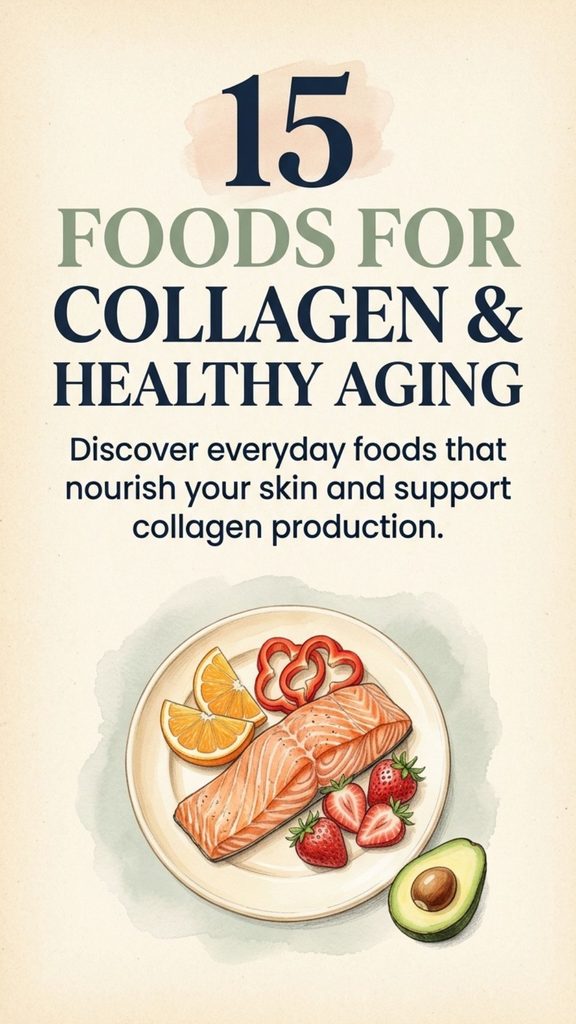
From fish and eggs to citrus fruits, colorful vegetables, and protein-rich legumes, here are 15 foods worth including in a collagen-supporting diet.
What Is Collagen, and Why Does Your Skin Need It?
Collagen is the most abundant protein in the human body.
It forms an important part of the extracellular matrix, which provides structural support for tissues.
In the skin, collagen contributes to strength and firmness, working alongside other components such as elastin and hyaluronic acid.
Your body naturally produces collagen using amino acids obtained from dietary protein.
However, collagen synthesis also depends on specific nutrients.
Vitamin C is essential because it supports enzymes involved in forming and stabilizing collagen.
Minerals such as zinc and copper also contribute to processes involved in normal tissue maintenance and connective tissue formation.
Protein provides amino acids, including glycine and proline, that are particularly important components of collagen.
When your overall diet provides adequate amounts of these nutrients, your body has the nutritional building blocks it needs for normal collagen production.
But eating more collagen-containing food doesn’t automatically mean your skin will produce more collagen or become noticeably firmer.
Skin aging is influenced by many factors beyond nutrition.
Collagen-Rich Foods vs. Collagen-Supporting Foods
Before looking at the list, it’s important to understand one distinction.
Some foods naturally contain collagen, while others provide nutrients that support your body’s ability to produce it.
Collagen itself is an animal-derived protein found in connective tissues, skin, bones, and cartilage.
Plant foods don’t naturally contain animal collagen.
However, fruits, vegetables, legumes, nuts, and seeds can contribute important nutrients required for normal collagen synthesis.
This means you can support collagen production without eating animal products, provided your diet is nutritionally adequate.
The following list includes both foods that contain collagen and those that supply useful collagen-supporting nutrients.
1. Bone Broth
Bone broth is often promoted as one of the best dietary sources of collagen.
It’s prepared by simmering animal bones and connective tissues in water, allowing some collagen to break down into gelatin and other protein fragments.
The resulting broth may contain varying amounts of protein and amino acids.
However, collagen content depends heavily on the ingredients, cooking method, and preparation time.
Not every bone broth provides a substantial amount of collagen.
How to Include It in Your Diet
Use bone broth as a base for vegetable soups, stews, rice dishes, or other savory meals.
Homemade broth can be prepared in batches and frozen in suitable containers.
If buying packaged broth, compare protein and sodium content because products vary considerably.
Bone broth can be a useful ingredient, but claims that it repairs the gut lining, eliminates wrinkles, or directly rebuilds skin collagen are not established by strong clinical evidence.
2. Salmon and Other Fish With Skin
Fish can contribute to a skin-supporting diet in several ways.
Collagen is naturally present in fish skin and connective tissues, while the edible flesh provides high-quality protein.
Fatty fish such as salmon also supply omega-3 fatty acids.
Omega-3 fats are important for several normal bodily functions and can be part of a balanced dietary pattern associated with cardiovascular health.
However, eating fish doesn’t guarantee increased facial collagen or wrinkle reduction.
How to Eat More Fish
Try baked salmon with roasted vegetables, grilled fish with lemon, or fish served with brown rice and leafy greens.
If you enjoy crispy fish skin, preparing a suitable fish with the skin on can provide a different texture while using more of the fish.
Choose varieties according to local availability and food safety guidance, particularly if you’re pregnant or preparing meals for young children.
3. Chicken
Chicken is a convenient source of complete protein, meaning it provides all nine essential amino acids.
Collagen is found in chicken skin, cartilage, and connective tissues.
Chicken breast and other muscle meats primarily supply protein that your body can break down into amino acids.
These amino acids can then be used to build many different proteins, including collagen.
Easy Ways to Enjoy Chicken
Roast chicken with carrots and potatoes, prepare homemade chicken soup, or add shredded chicken to salads and grain bowls.
Slow-cooked dishes using suitable bone-in cuts can incorporate connective tissue into the cooking process.
For overall health, consider your preferred balance of lean meat, skin, and other dietary fat sources.
You don’t need to consume large amounts of chicken skin to support normal collagen production.
4. Eggs
Eggs are often described as collagen-rich foods, but this is misleading.
Ordinary eggs aren’t a significant source of collagen itself.
Their value comes from their high-quality protein and useful nutrients.
Egg whites provide amino acids, including proline, while egg yolks contain nutrients such as choline, vitamin A, and vitamin B12.
Protein from eggs contributes to the overall amino acid supply your body uses to make and maintain tissues.
How to Add Eggs to Meals
Enjoy boiled eggs with breakfast, prepare vegetable omelets, or add cooked eggs to salads.
Eggs also work well in homemade muffins, savory bakes, and other simple recipes.
For most people, eggs can fit into a varied eating pattern, although individual dietary needs and medical advice may differ.
5. Citrus Fruits
Oranges, lemons, grapefruits, and other citrus fruits are excellent additions to a collagen-supporting diet.
Their main advantage is vitamin C.
Vitamin C is essential for collagen synthesis because it supports enzymes that help collagen develop its normal structure.
Severe vitamin C deficiency can interfere with collagen formation, which is one reason scurvy affects skin, blood vessels, and connective tissues.
Fortunately, a varied diet containing fruits and vegetables can usually provide sufficient vitamin C.
Simple Ways to Eat More Citrus
Enjoy an orange with breakfast, add lemon juice to vegetables, or make a fruit salad with several citrus varieties.
Whole fruit also provides water and dietary fiber.
Remember that grapefruit can interact with certain medications, so check for relevant restrictions if you take prescription drugs.
6. Red and Yellow Bell Peppers
Bell peppers are among the most convenient vegetable sources of vitamin C.
Red and yellow peppers are particularly useful because they provide vitamin C along with colorful plant pigments.
They also contain fiber and other nutrients that contribute to a balanced diet.
Unlike some collagen supplements, bell peppers are inexpensive in many markets and easy to incorporate into everyday meals.
How to Include Them
Slice raw peppers into salads, dip them into hummus, or add them to stir-fries.
They also work beautifully in stuffed pepper recipes, omelets, and roasted vegetable dishes.
Because vitamin C can be reduced by prolonged cooking, including a mixture of raw and cooked vegetables is a practical approach.
7. Strawberries and Other Berries
Strawberries, blackberries, raspberries, and blueberries provide a variety of vitamins and plant compounds.
Strawberries are a particularly useful source of vitamin C.
Many berries also contain polyphenols, which are being studied for their antioxidant and other biological activities.
These nutrients can support general health as part of a balanced eating pattern.
However, it’s important not to confuse antioxidant activity in laboratory experiments with proven wrinkle reduction in humans.
Eating berries doesn’t directly restore lost collagen.
Easy Berry Meal Ideas
Add berries to oatmeal, plain yogurt, or homemade smoothies.
Frozen berries are convenient when fresh varieties are expensive or out of season.
They’re also useful in homemade fruit sauces, pancakes, and simple desserts.
Choose unsweetened frozen berries when you want to avoid unnecessary added sugar.
8. Dark Leafy Greens
Spinach, kale, Swiss chard, and other leafy green vegetables provide a broad range of nutrients.
Depending on the variety, they may contain vitamin C, folate, carotenoids, and other plant compounds.
Leafy greens can contribute to a varied diet that supports normal cell and tissue functioning.
They’re also useful because they can be prepared in many different ways.
How to Eat More Leafy Greens
Stir spinach into soups, add kale to vegetable stews, or serve sautéed greens alongside eggs and potatoes.
A handful of fresh spinach can also be blended into a fruit smoothie.
Frozen leafy greens are an affordable alternative to fresh varieties.
Their nutritional value makes them worth including regularly, even though they don’t contain collagen themselves.
9. Tomatoes
Tomatoes provide vitamin C and lycopene, a carotenoid responsible for much of their red color.
Lycopene is an antioxidant compound studied for its potential relationship with several aspects of health.
Tomatoes can be part of a diet that supports skin health, but ordinary tomato consumption shouldn’t be treated as a substitute for sunscreen or other proven skincare measures.
How to Include Tomatoes
Use fresh tomatoes in salads and sandwiches.
Prepare homemade tomato sauce, vegetable soup, or roasted tomatoes with olive oil.
Cooked tomato products can provide lycopene in a form that’s more readily absorbed, especially when eaten with some dietary fat.
Canned tomatoes are also convenient for budget-friendly meals.
10. Pumpkin Seeds and Other Nuts and Seeds
Pumpkin seeds, almonds, walnuts, chia seeds, and flaxseeds are useful additions to a balanced diet.
Different varieties provide protein, unsaturated fats, minerals, and other nutrients.
Pumpkin seeds are particularly notable for their zinc content.
Zinc is involved in normal protein synthesis, tissue repair, and many enzyme systems.
Copper, another nutrient involved in connective tissue formation, can also be obtained from various nuts and seeds.
Ways to Enjoy Them
Sprinkle pumpkin seeds over salads, add chia seeds to oatmeal, or enjoy a small handful of almonds as a snack.
Ground flaxseeds can be stirred into yogurt or breakfast cereal.
Because nuts and seeds are energy-dense, choose portions that suit your overall nutritional needs.
People with nut or seed allergies should use suitable alternatives.
11. Beans and Lentils
Beans and lentils are especially useful for people who prefer plant-based meals.
They provide protein, fiber, and minerals.
Although plant proteins don’t contain collagen, their amino acids contribute to your body’s overall protein supply.
A varied plant-based diet can provide the amino acids needed for normal collagen synthesis.
Beans and lentils also offer practical advantages for household meal planning.
They’re affordable, filling, and easy to prepare in large batches.
Simple Meal Ideas
Prepare lentil soup with carrots and tomatoes, black bean chili, chickpea salad, or a hearty bean stew.
Combine legumes with vegetables rich in vitamin C.
For example, serving lentils with bell peppers or tomatoes can also help improve absorption of non-heme iron from plant foods.
12. Tofu, Tempeh, and Other Soy Foods
Soybeans provide substantial amounts of plant protein.
Foods such as tofu, tempeh, and edamame can be helpful protein sources for vegetarians and vegans.
Soy also contains isoflavones, including genistein.
Some research has explored whether soy isoflavones may influence aspects of skin aging, but evidence is not strong enough to conclude that eating tofu reliably increases skin collagen or prevents wrinkles.
The more dependable benefit is that soy foods contribute protein and other nutrients to a balanced diet.
Ways to Prepare Soy Foods
Add tofu to stir-fries, use tempeh in grain bowls, or serve edamame as a snack.
Silken tofu can also be blended into creamy soups and sauces.
Soy foods are particularly useful when paired with colorful vegetables and whole grains.
13. Carrots and Sweet Potatoes
Carrots and orange-fleshed sweet potatoes contain beta-carotene.
Your body can convert beta-carotene into vitamin A as needed.
Vitamin A is important for normal cell development, immune function, and the maintenance of skin and other tissues.
However, eating large amounts of carrots won’t directly rebuild collagen or erase wrinkles.
The benefit comes from meeting normal nutritional needs through a varied diet.
How to Enjoy Them
Roast carrots with herbs, prepare mashed sweet potatoes, or add both vegetables to soups and stews.
A little olive oil can help with absorption of fat-soluble carotenoids.
These vegetables are also convenient for meal preparation and can be used in both savory and naturally sweet recipes.
14. Oysters and Other Shellfish
Certain shellfish are excellent sources of minerals involved in normal connective tissue health.
Oysters are particularly rich in zinc, while several shellfish also provide copper, protein, and vitamin B12.
Zinc and copper support important biological processes, including those involved in tissue maintenance and collagen-related enzyme activity.
That doesn’t mean shellfish supplements or large servings will automatically create firmer skin.
A balanced intake of nutrients is the priority.
How to Include Shellfish Safely
Enjoy fully cooked shrimp, mussels, or other suitable shellfish as part of an occasional meal.
Shellfish should be purchased from reliable suppliers and handled according to food safety guidance.
Raw oysters can carry dangerous microorganisms, so fully cooked options are safer, particularly for people at increased risk of foodborne illness.
Anyone with a shellfish allergy should avoid these foods and choose other sources of protein and minerals.
15. Slow-Cooked Beef and Other Connective Tissue Cuts
Beef cuts containing substantial connective tissue can provide collagen and collagen-derived gelatin after prolonged cooking.
Examples include certain cuts used for pot roast, braising, and stews.
Beef also supplies protein and minerals such as zinc.
Slow cooking helps soften connective tissue, which is why tougher cuts often become tender after simmering for several hours.
How to Use These Cuts
Prepare a slow-cooked beef stew with vegetables, braise beef with onions and carrots, or make a traditional pot roast.
Include plenty of vegetables and choose portions that fit your dietary needs.
Because red meat intake is associated with certain health considerations, it doesn’t need to be eaten frequently or in large quantities to obtain adequate protein.
Fish, poultry, legumes, eggs, and soy are all useful alternatives.
5 Other Foods and Drinks Worth Including
The 15 foods above cover many important collagen-related nutrients, but a varied diet offers even more options.
Kiwi fruit: A convenient source of vitamin C that can be added to breakfast or fruit salads.
Avocados: Provide unsaturated fats, vitamin E, and other nutrients.
Garlic: Adds flavor and contains sulfur-containing compounds, although claims that ordinary garlic consumption dramatically increases collagen are unproven.
Green tea: Contains polyphenols, including catechins. Human evidence for direct anti-aging skin effects remains limited.
Whole grains: Contribute energy, fiber, and various micronutrients to a balanced dietary pattern.
None of these foods needs to be consumed in unusually large quantities.
A diverse diet is generally more practical than concentrating on a few ingredients marketed as anti-aging superfoods.
Can Vegetarians and Vegans Support Collagen Production?
Yes.
Although collagen itself comes from animal tissues, your body doesn’t require you to eat animal collagen to produce its own.
The body synthesizes collagen using amino acids and necessary nutritional cofactors.
A well-planned vegetarian or vegan diet can provide these nutrients.
Useful plant-based protein sources include soy foods, lentils, chickpeas, beans, nuts, and seeds.
Vitamin C can come from citrus fruits, bell peppers, kiwi, berries, broccoli, and other produce.
Zinc and copper are available from legumes, whole grains, nuts, and seeds, although the bioavailability of some minerals can differ between foods.
People following vegan diets also need a dependable vitamin B12 source, generally through fortified foods or supplements.
The key is nutritional adequacy rather than consuming collagen directly.
A Simple One-Day Collagen-Supporting Meal Plan
You don’t need to follow a complicated diet to include nutrients involved in collagen production.
Here’s an example of how these foods can fit naturally into one day.
| Meal | Food Ideas | Useful Nutrients |
|---|---|---|
| Breakfast | Greek yogurt with strawberries, kiwi, and pumpkin seeds | Protein, vitamin C, zinc |
| Lunch | Salmon salad with spinach, tomatoes, and bell peppers | Protein, omega-3 fats, vitamin C |
| Snack | Orange and a small handful of almonds | Vitamin C, vitamin E |
| Dinner | Lentil and vegetable stew with whole-grain bread | Protein, fiber, minerals |
Adapt this example to your preferences, food allergies, budget, and nutritional requirements.
You can replace salmon with tofu, yogurt with a suitable fortified alternative, or almonds with another tolerated food.
What’s important is regularly eating a broad range of nutritious foods.
How Much Protein Do You Need for Healthy Skin?
Protein is essential for many bodily functions, not just collagen production.
The general adult Recommended Dietary Allowance for protein is approximately 0.8 grams per kilogram of body weight per day.
Some individuals, including older adults, athletes, and people with certain medical or recovery needs, may require different amounts.
For example, an adult weighing 70 kilograms would have a general baseline of approximately 56 grams of protein per day.
That amount isn’t a personalized prescription.
You don’t need to calculate protein obsessively if your regular meals already provide adequate nutrition.
Including a protein source at meals can help you distribute intake throughout the day.
If you have kidney disease or another condition affecting dietary protein needs, seek individualized professional guidance.
Do Collagen Supplements Work Better Than Food?
Collagen supplements, particularly hydrolyzed collagen peptides, have received considerable attention in recent years.
Some clinical studies have reported modest improvements in measures of skin hydration or elasticity.
However, the research has limitations, including differences in study designs, supplement formulations, study quality, and industry funding.
More independent, high-quality evidence is needed to establish the magnitude and reliability of these effects.
Collagen supplements also aren’t essential for everyone.
A balanced diet can provide the protein and nutrients required for normal collagen synthesis.
If you’re considering supplements, remember that quality varies and products may not be appropriate for everyone.
People with allergies should check collagen sources carefully, particularly marine or bovine products.
Avoid expecting a supplement to compensate for poor nutrition, excessive ultraviolet exposure, or other contributors to skin aging.
What Actually Causes Collagen to Decline With Age?
Changes in collagen are a normal part of aging, but the process is complex.
Collagen synthesis and breakdown are influenced by cellular aging, hormones, genetics, and environmental exposures.
One major preventable contributor is ultraviolet radiation.
Repeated unprotected sun exposure can damage skin structure and accelerate visible photoaging.
Smoking is another important factor associated with premature skin aging.
Nutrition matters because the body needs sufficient protein and micronutrients to maintain tissues.
However, there isn’t a scientifically established universal age when collagen production suddenly begins declining at one fixed rate.
Changes vary between individuals and tissues.
The most helpful approach combines adequate nutrition with sensible skin protection and overall healthy habits.
Everyday Habits That Help Protect Your Skin
Eating collagen-supporting foods is useful, but it shouldn’t be your only strategy for maintaining healthy skin.
Wear Sunscreen
Broad-spectrum sunscreen with SPF 30 or higher helps protect exposed skin from ultraviolet radiation.
Sun protection is one of the most evidence-supported ways to reduce preventable photoaging.
Avoid Smoking
Smoking is associated with changes in skin structure and premature wrinkles, as well as serious health risks.
Avoiding tobacco benefits both skin and overall health.
Get Enough Sleep
Adequate sleep supports general health and normal bodily functioning.
Although sleep isn’t a direct collagen treatment, it is part of a balanced self-care routine.
Eat Enough Food
Highly restrictive diets may make it difficult to obtain adequate protein, essential fats, and micronutrients.
Nourishing your body consistently is more useful than repeatedly following extreme detox diets.
Keep Your Skin Moisturized
Moisturizers can help reduce moisture loss and temporarily improve the appearance of fine lines related to dryness.
They don’t replace collagen, but they can support a comfortable skin barrier.
Common Myths About Collagen-Rich Foods
Myth 1: Eating Collagen Sends It Directly to Your Face
When you eat collagen, your digestive system breaks it down into smaller peptides and amino acids.
These components are absorbed and used according to the body’s needs.
They don’t automatically travel to facial wrinkles and rebuild them.
Myth 2: Plant Foods Contain Collagen
Plants don’t produce animal collagen.
However, plant foods provide many of the nutrients required for human collagen synthesis.
Myth 3: More Collagen Always Means Younger Skin
Skin appearance depends on many factors, including elastin, hydration, pigmentation, facial structure, and environmental exposure.
Simply consuming more collagen doesn’t guarantee younger-looking skin.
Myth 4: Bone Broth Can Erase Wrinkles
Bone broth may contribute protein and amino acids, but there isn’t convincing evidence that ordinary servings eliminate wrinkles.
Myth 5: You Need Expensive Superfoods
Many useful collagen-supporting nutrients are found in inexpensive everyday ingredients.
Eggs, lentils, carrots, citrus fruits, cabbage, and seasonal vegetables can all contribute to good nutrition.
How to Store Collagen-Supporting Foods Properly
Proper storage helps maintain food quality and reduce waste.
Refrigerate fresh berries and use them while they’re still in good condition, or freeze them for longer storage.
Keep nuts and seeds in tightly sealed containers away from excessive heat and light. Refrigeration or freezing may help preserve quality for longer periods.
Store leafy vegetables according to their type, removing spoiled leaves and avoiding excessive trapped moisture.
Cooked fish, meat, and poultry should be refrigerated promptly.
Most properly refrigerated cooked leftovers should be used within three to four days, or frozen for longer storage.
Homemade broth should be cooled promptly in shallow containers before refrigeration or freezing.
A freezer stocked with suitable portions of vegetables, berries, and homemade meals can make healthy eating easier during busy weeks.
Frequently Asked Questions About Foods for Collagen
What Food Contains the Most Collagen?
Animal connective tissues, skin, and gelatin-rich preparations naturally contain collagen or collagen-derived proteins.
However, the amount varies widely by ingredient and preparation.
There’s no single food that guarantees increased collagen levels in your skin.
Can You Increase Collagen Naturally Through Diet?
Adequate dietary protein, vitamin C, zinc, copper, and other nutrients support normal collagen synthesis.
Whether eating extra amounts beyond your nutritional needs improves skin collagen is less certain.
Which Fruit Is Best for Collagen Production?
Fruits rich in vitamin C are particularly useful because vitamin C is essential for collagen synthesis.
Oranges, kiwi, strawberries, and other vitamin C-rich fruits are all good choices.
Are Eggs High in Collagen?
Eggs provide high-quality protein and useful amino acids, but ordinary eggs aren’t a significant source of collagen itself.
Can Eating Collagen-Rich Foods Remove Wrinkles?
No food has been shown to reliably remove existing wrinkles.
A nutritious diet supports skin health, but wrinkle formation is influenced by age, sun exposure, genetics, and other factors.
How Long Does It Take to Notice Results?
There isn’t an established timeframe in which adding collagen-related foods produces visible wrinkle reduction.
Correcting nutritional deficiencies may improve general health and tissue functioning, but visible skin changes vary.
Final Thoughts: Nourish Your Skin From the Inside Out
Collagen plays an essential role in keeping skin strong and maintaining the structure of many tissues throughout the body.
Although natural aging changes collagen over time, your everyday diet can help provide the nutrients needed for its normal production and maintenance.
Foods such as fish, chicken, eggs, and collagen-containing connective tissues provide protein and amino acids.
Vitamin C-rich fruits and vegetables, legumes, nuts, seeds, and mineral-rich foods contribute additional nutrients involved in tissue health.
You don’t need to eat all 15 foods every day, and you certainly don’t need to spend a fortune on products marketed as anti-aging miracles.
Focus on variety, adequate protein, colorful produce, and eating patterns you can maintain comfortably.
Combine these habits with regular sun protection, gentle skincare, and other healthy lifestyle choices.
The most effective approach to aging well isn’t searching for one miracle collagen food. It’s giving your body consistent nourishment and care throughout every stage of life.