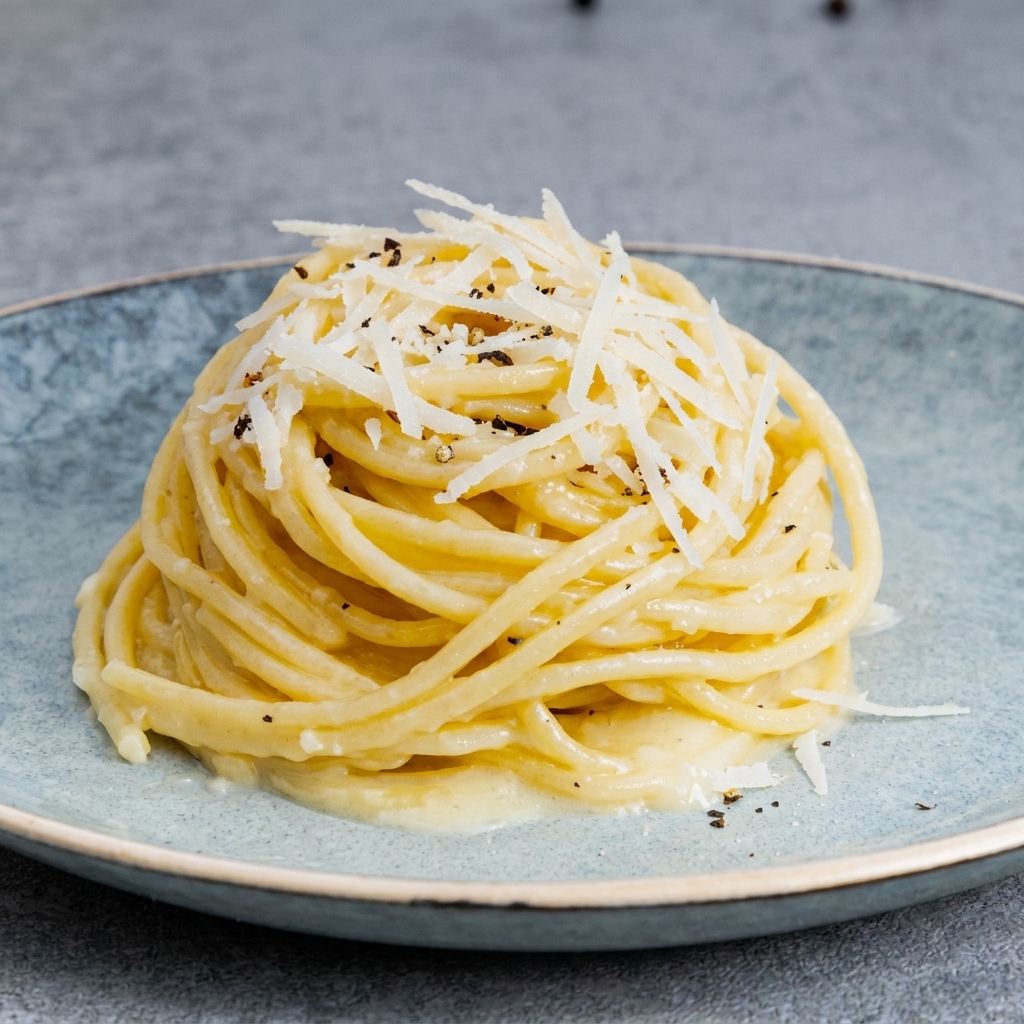
The moment warm garlic hits melted butter, everyone suddenly wants to know when dinner will be ready. This Chickpea Spaghetti Lemon Cheesy Garlic Pasta recipe turns that familiar smell into a quick, creamy bowl of pasta with fresh lemon, black pepper, and plenty of Parmesan clinging to every strand.
It is rich without feeling heavy, and the chickpea spaghetti adds a little extra protein and a pleasantly hearty bite. Best of all, the whole meal is ready in about 25 minutes.
Why You’ll Love This Recipe
- Quick enough for busy nights: The sauce comes together while the pasta cooks, keeping the total time under 30 minutes.
- Creamy without a complicated sauce: Parmesan, butter, and reserved pasta water create a smooth coating without needing flour.
- Bright, savory flavor: Lemon zest and juice cut through the rich cheese and butter, while fresh garlic gives the pasta a warm, homemade taste.
- More filling than ordinary pasta: Chickpea spaghetti provides extra protein and fiber, making a simple bowl feel more substantial.
Recipe Card Summary
- Prep Time: 10 minutes
- Cook Time: 15 minutes
- Total Time: 25 minutes
- Servings: 4
- Yield: Approximately 6 cups
- Category: Dinner
- Method: Stovetop
- Cuisine: Italian-inspired
- Recipe Style: Modern-Easy
Chickpea Spaghetti Lemon Cheesy Garlic Pasta Recipe Ingredients
- 12 ounces chickpea spaghetti
- 1 tablespoon salt, for the pasta water
- 3 tablespoons unsalted butter, divided
- 1 tablespoon olive oil
- 4 garlic cloves, finely minced
- 1 teaspoon finely grated lemon zest
- 2 tablespoons fresh lemon juice
- ¾ teaspoon ground black pepper, plus more for serving
- ¼ teaspoon crushed red pepper flakes, optional
- 1 cup finely grated Parmesan cheese, plus more for serving
- ½ to ¾ cup reserved pasta cooking water
- 2 tablespoons chopped fresh parsley, optional
- Salt, as needed
How to Make Chickpea Spaghetti Lemon Cheesy Garlic Pasta
- Prepare the ingredients before cooking.
Mince the garlic, zest and juice the lemon, and grate the Parmesan. The sauce cooks quickly, so having everything ready prevents the garlic from burning while you search for the next ingredient. - Bring the pasta water to a boil.
Fill a large pot with water and bring it to a rolling boil. Add approximately 1 tablespoon of salt.Chickpea pasta has a stronger natural flavor than regular wheat pasta, so properly salted water helps the finished dish taste balanced. - Cook the chickpea spaghetti.
Add the spaghetti and cook according to the package directions until just tender. Stir gently during the first two minutes to keep the strands from sticking together.Begin checking the pasta one or two minutes before the suggested cooking time. Chickpea spaghetti can soften quickly and may break apart when overcooked. - Reserve the pasta water.
Before draining, carefully scoop out at least 1 cup of the cooking water. The starchy liquid helps the Parmesan melt into a smooth sauce rather than forming dry clumps.Drain the pasta, but do not rinse it. - Cook the garlic.
While the pasta is cooking, melt 2 tablespoons of butter with the olive oil in a large skillet over medium-low heat.Add the minced garlic and cook for 30 to 60 seconds, stirring constantly. The garlic should smell fragrant and look pale golden, not dark brown. - Add the lemon and seasonings.
Stir in the lemon zest, black pepper, and crushed red pepper flakes, if using. Cook for about 15 seconds to release the oils from the zest.Add the lemon juice and ½ cup of the reserved pasta water. Stir and allow the mixture to simmer gently for about 1 minute. - Add the cooked spaghetti.
Transfer the drained chickpea spaghetti to the skillet. Use tongs to toss it gently in the garlic and lemon mixture.Keep the heat low so the pasta remains tender and the sauce does not evaporate too quickly. - Create the cheesy sauce.
Remove the skillet from the heat. Add the Parmesan gradually, tossing after each addition.Pour in more pasta water, 1 or 2 tablespoons at a time, until the cheese melts and forms a creamy coating around the spaghetti. Adding the cheese off the heat helps prevent it from becoming grainy or stringy. - Finish with butter.
Add the remaining tablespoon of butter and toss until melted. Taste the pasta before adding extra salt because Parmesan can be quite salty. - Serve immediately.
Divide the pasta among four bowls. Finish with additional Parmesan, black pepper, parsley, and a little extra lemon zest if desired.The sauce is at its smoothest and creamiest while the pasta is still hot.
Recipe Notes and Helpful Tips
Grate the Parmesan finely
Finely grated Parmesan melts more easily than thick shreds. For the smoothest sauce, grate it from a block rather than using shelf-stable Parmesan from a shaker.
You Might Also Like:
- Loading posts...
Keep the heat low
High heat can cause the cheese to tighten and separate. Remove the pan from the burner before adding the Parmesan, then use warm pasta water to loosen the sauce.
Adjust the lemon flavor
For a milder lemon taste, use 1 tablespoon of lemon juice. For a brighter sauce, add another teaspoon of zest rather than too much juice, which can make the sauce sharp or thin.
Try other pasta varieties
Regular spaghetti, gluten-free spaghetti, lentil pasta, or short shapes such as penne can replace the chickpea spaghetti. Cooking times will vary, so follow the directions on the package.
Add vegetables or protein
Stir in baby spinach during the final minute of cooking, or add roasted broccoli, peas, asparagus, or sautéed mushrooms. Cooked chicken or shrimp can also turn the pasta into a larger meal.
Store leftovers
Refrigerate leftover pasta in an airtight container for up to three days. The sauce will thicken as it cools.
Reheat it gently in a skillet with a splash of water or milk. Stir frequently and avoid overheating, which can make chickpea pasta soft and cause the cheese sauce to separate.
Prepare ingredients ahead
The garlic can be minced, the cheese grated, and the lemon zested several hours ahead. Store each ingredient separately in the refrigerator, then cook the pasta shortly before serving.
Frequently Asked Questions
Is chickpea spaghetti gluten-free?
Most chickpea spaghetti is naturally gluten-free because it is made primarily from chickpea flour. Check the package label, especially when cooking for someone with celiac disease, because ingredients and manufacturing practices vary by brand.
How do you keep chickpea pasta from becoming mushy?
Cook it only until just tender and begin checking it before the package time is complete. Drain it promptly, do not rinse it, and toss it gently because chickpea pasta may be more delicate than traditional spaghetti.
Why is my Parmesan sauce clumpy?
Parmesan may clump when it is added over high heat or all at once. Remove the skillet from the heat, add finely grated cheese gradually, and toss with small amounts of warm pasta water until smooth.
Can I make lemon garlic pasta without butter?
Yes. Replace the butter with additional olive oil. The finished sauce will be lighter and less creamy, but the lemon, garlic, Parmesan, and pepper will still give it plenty of flavor.
A Quick Dinner That Does Not Taste Rushed
This is the kind of pasta to make when the cupboard looks nearly empty but you still want a warm, satisfying meal. Bring it to the table while the Parmesan is soft and glossy, then add one final crack of black pepper before taking the first forkful.
Print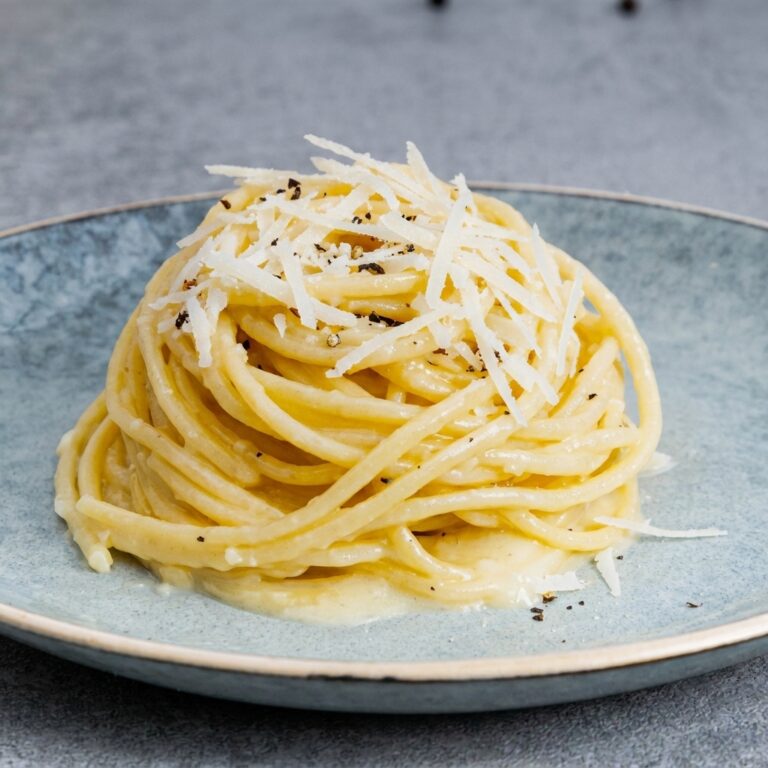
Chickpea Spaghetti Lemon Cheesy Garlic Pasta Recipe
This Chickpea Spaghetti Lemon Cheesy Garlic Pasta combines tender chickpea noodles with fresh lemon, garlic, butter, black pepper, and Parmesan. It is a creamy, protein-rich, family-friendly dinner ready in about 25 minutes.
Ingredients
12 ounces chickpea spaghetti
1 tablespoon salt, for the pasta water
3 tablespoons unsalted butter, divided
1 tablespoon olive oil
4 garlic cloves, finely minced
1 teaspoon finely grated lemon zest
2 tablespoons fresh lemon juice
3/4 teaspoon ground black pepper, plus more for serving
1/4 teaspoon crushed red pepper flakes, optional
1 cup finely grated Parmesan cheese, plus more for serving
1/2 to 3/4 cup reserved pasta cooking water
2 tablespoons chopped fresh parsley, optional
Salt, as needed
Instructions
- Mince the garlic, zest and juice the lemon, and finely grate the Parmesan before beginning. The sauce cooks quickly, so have all the ingredients ready.
- Bring a large pot of water to a rolling boil. Add 1 tablespoon of salt.
- Add the chickpea spaghetti and cook according to the package directions until just tender. Stir gently during the first 2 minutes to prevent the strands from sticking.
- Begin checking the pasta 1 to 2 minutes before the suggested cooking time. Chickpea pasta can become soft quickly if overcooked.
- Before draining, carefully reserve at least 1 cup of the pasta cooking water.
- Drain the spaghetti without rinsing it and set it aside.
- While the pasta cooks, melt 2 tablespoons of butter with the olive oil in a large skillet over medium-low heat.
- Add the minced garlic and cook for 30 to 60 seconds, stirring constantly, until fragrant. Do not allow the garlic to turn dark brown.
- Stir in the lemon zest, black pepper, and crushed red pepper flakes, if using. Cook for about 15 seconds.
- Add the lemon juice and 1/2 cup of reserved pasta water. Stir and let the mixture simmer gently for 1 minute.
- Add the drained chickpea spaghetti to the skillet. Toss gently with tongs until coated in the lemon garlic mixture.
- Remove the skillet from the heat.
- Add the Parmesan gradually, tossing well after each addition.
- Add more reserved pasta water, 1 to 2 tablespoons at a time, until the cheese melts into a smooth, creamy sauce that coats the spaghetti.
- Add the remaining tablespoon of butter and toss until melted.
- Taste the pasta and add salt only if needed, since Parmesan cheese is naturally salty.
- Divide the pasta among four bowls. Garnish with additional Parmesan, black pepper, chopped parsley, or lemon zest before serving.
Notes
Finely grated Parmesan melts more smoothly than thick shreds. Freshly grate the cheese from a block for the creamiest sauce.
Remove the skillet from the heat before adding the Parmesan. High heat can cause the cheese to clump or become grainy.
Add the cheese gradually rather than all at once, using warm pasta water to loosen the sauce as needed.
For a milder lemon flavor, use 1 tablespoon of lemon juice. For a brighter flavor, add extra lemon zest instead of adding too much juice.
Regular spaghetti, lentil pasta, gluten-free spaghetti, or short pasta shapes may replace the chickpea spaghetti. Adjust the cooking time according to the package directions.
Baby spinach, peas, roasted broccoli, asparagus, or sautéed mushrooms can be added for extra vegetables.
Store leftovers in an airtight container in the refrigerator for up to 3 days.
Reheat gently in a skillet over low heat with a splash of water or milk. Avoid overheating because chickpea pasta can become too soft.
Most chickpea pasta is gluten-free, but check the package label when serving someone with celiac disease or a gluten sensitivity.
Use vegetarian Parmesan or another vegetarian hard cheese if strict vegetarian ingredients are required.